

Lewis Ableidinger1 kept returning to an abandoned house.
It stood in Arena, North Dakota. He explored it even before he started taking photographs there. On each visit, something seemed different. A piece of furniture moved. An old television disappeared. The light was never quite the same.
During one visit, Lewis photographed a yellow chair in the corner, with light coming through a window. He photographed the house for years, but this picture felt different. The colours, the light, even the cushion on the chair seemed to come together.
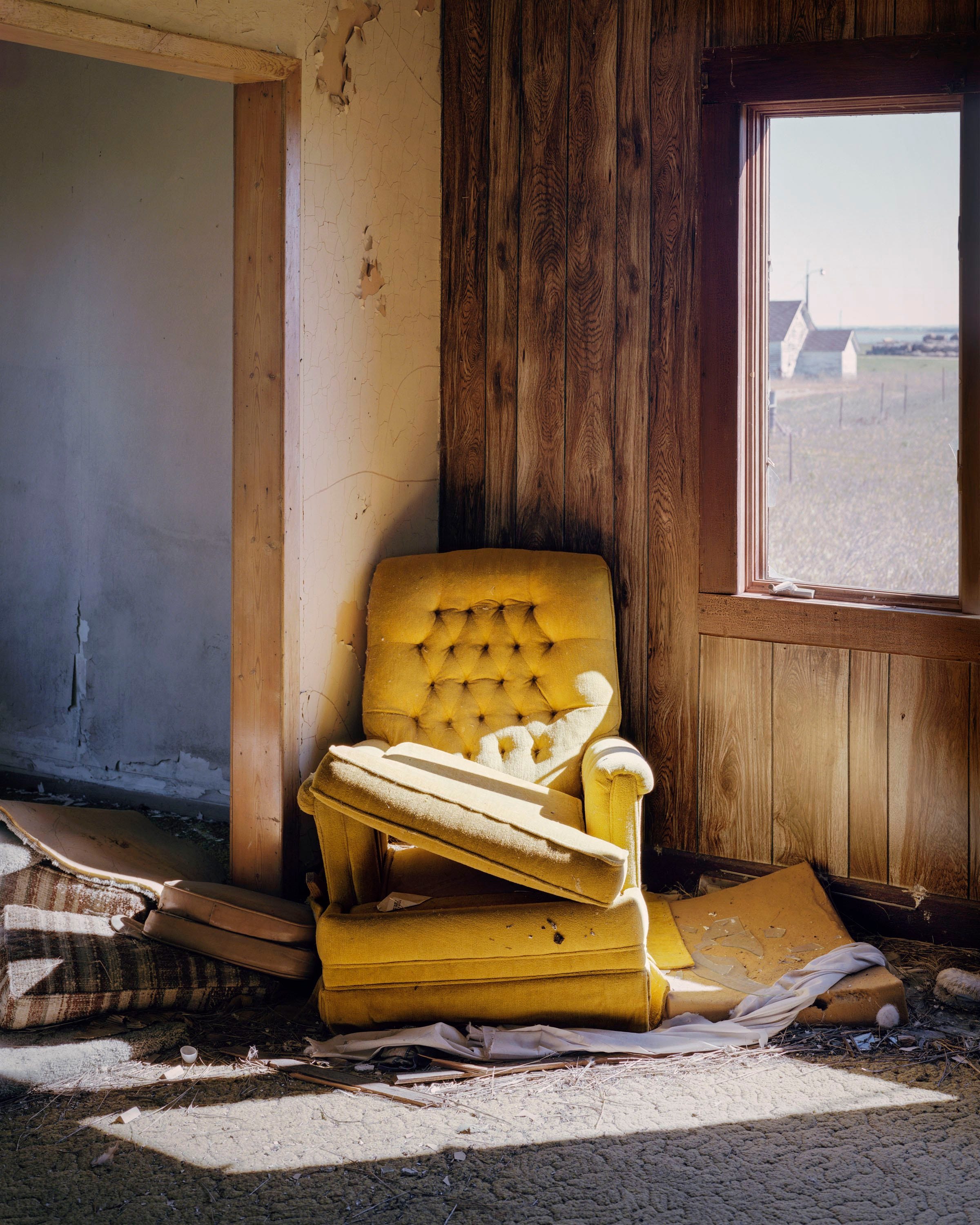
He returned afterward, but never found anything he liked as much.
“I couldn’t improve upon it, and I couldn’t even think of a way to try.” 1
Eventually, Lewis stopped photographing the house. He hasn’t photographed there in years and doesn’t feel that he’s missing anything.
That makes sense. He made a photograph he was happy with, then returned and tried again. If he could no longer think of anything else to try, what would another visit be for?
Except Lewis has another photograph that makes the answer less clear.
For another project, he spent years returning to a closed church in the far northwest corner of North Dakota. He photographed it inside and out, but was never quite satisfied with the pictures.
Then, on a later visit, he noticed a composition for the first time. The church sat on a hill, with a curving road leading towards it. Lewis knew the road well. But this time, he saw a photograph he missed on all those earlier visits.
“With this one, everything came together.”
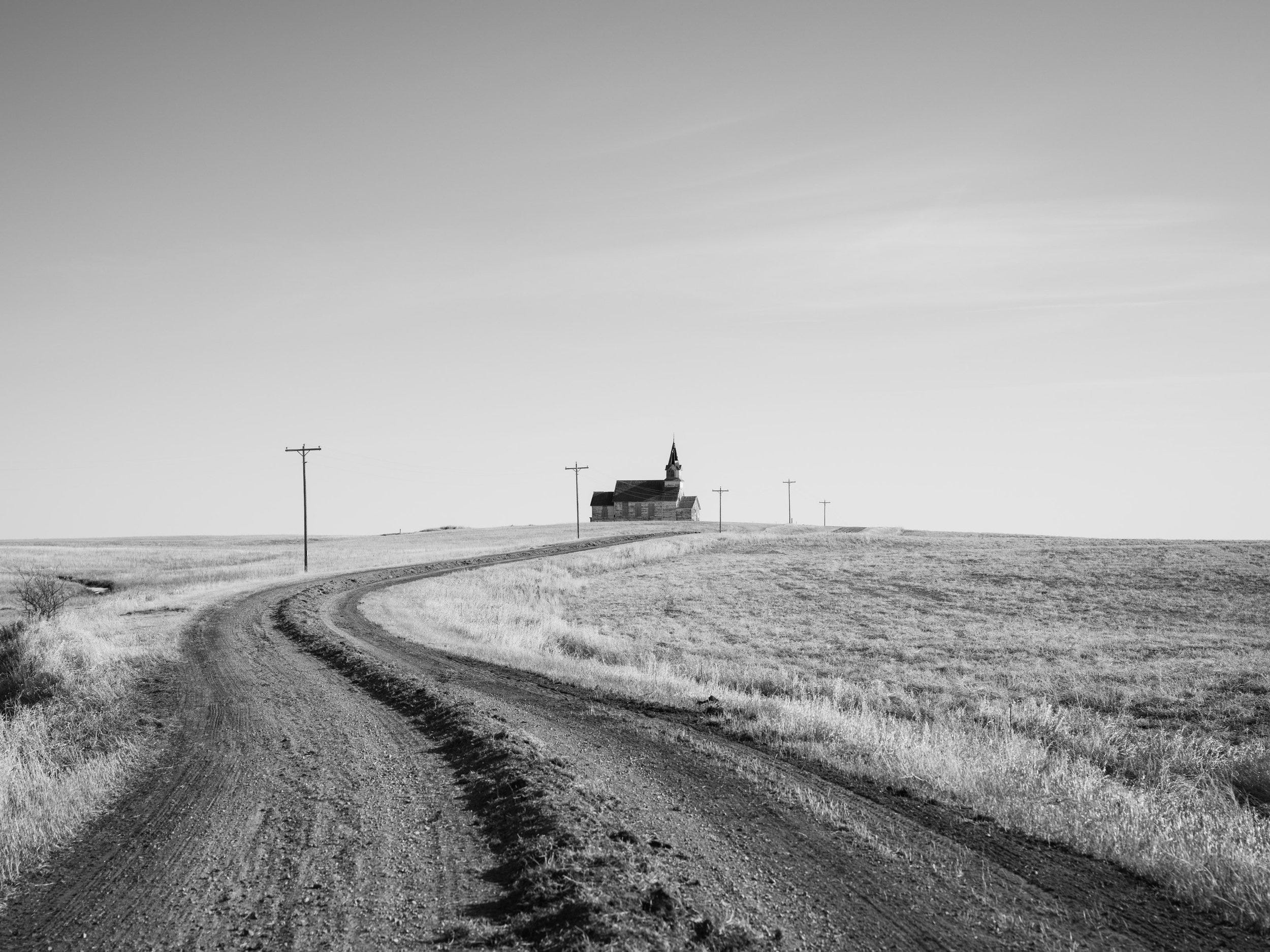
Lewis doesn’t know exactly why he saw the photograph that day. He names several possible reasons: the light, the season, the time of day, or his own growth as a photographer.
“If I had given up, I wouldn’t have ever taken this photo.”
Years of disappointing visits eventually gave him a photograph he valued.
But does another good photograph always give the work something it needs?
Nicolò Rinaldi2 was looking for a wider range of places. His project W.E.I.R.D. explores the ways humans imitate and reconstruct nature. His photographs included artificial trees, fake rocks and other versions of nature in places such as theme parks, museums and aquariums.
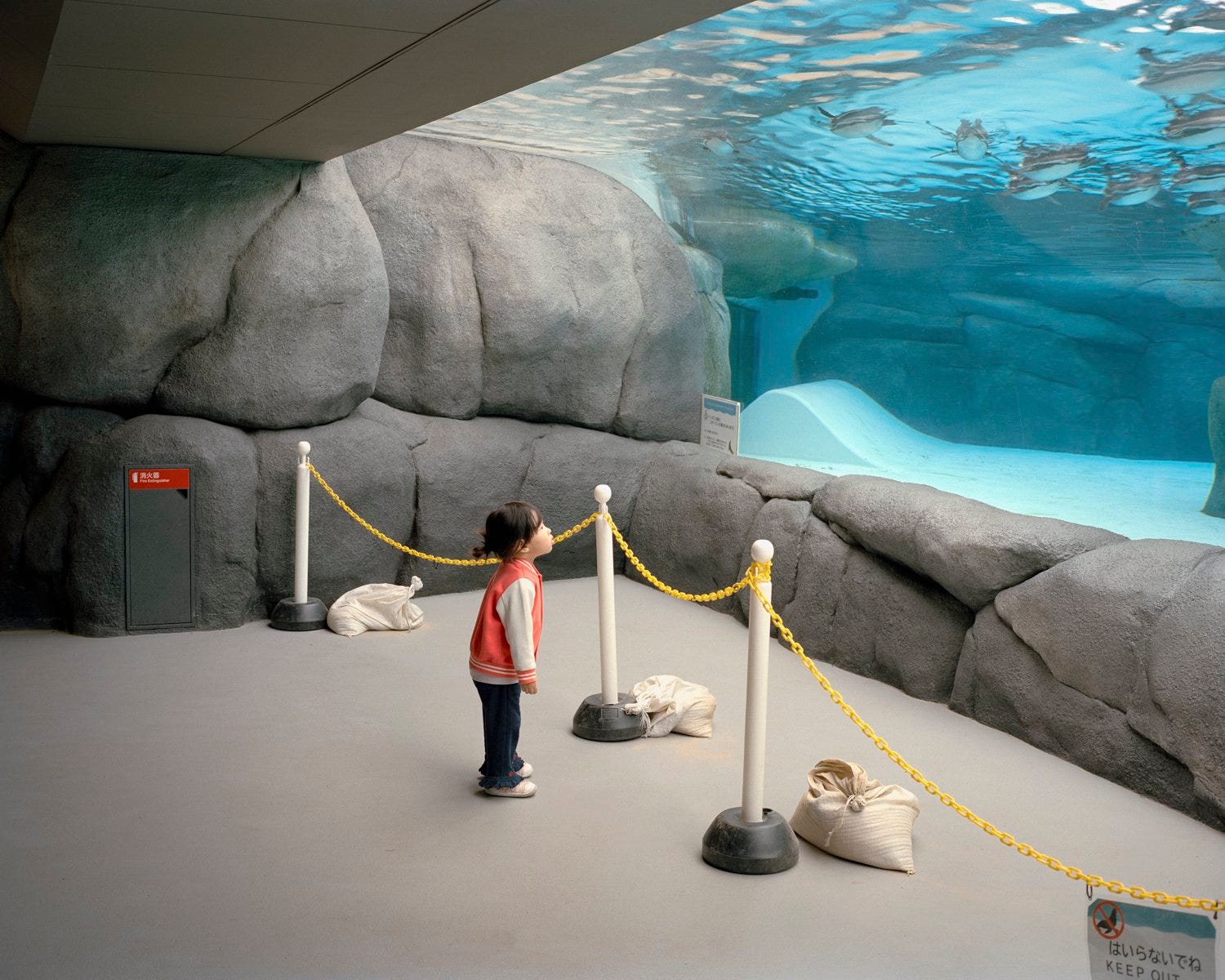
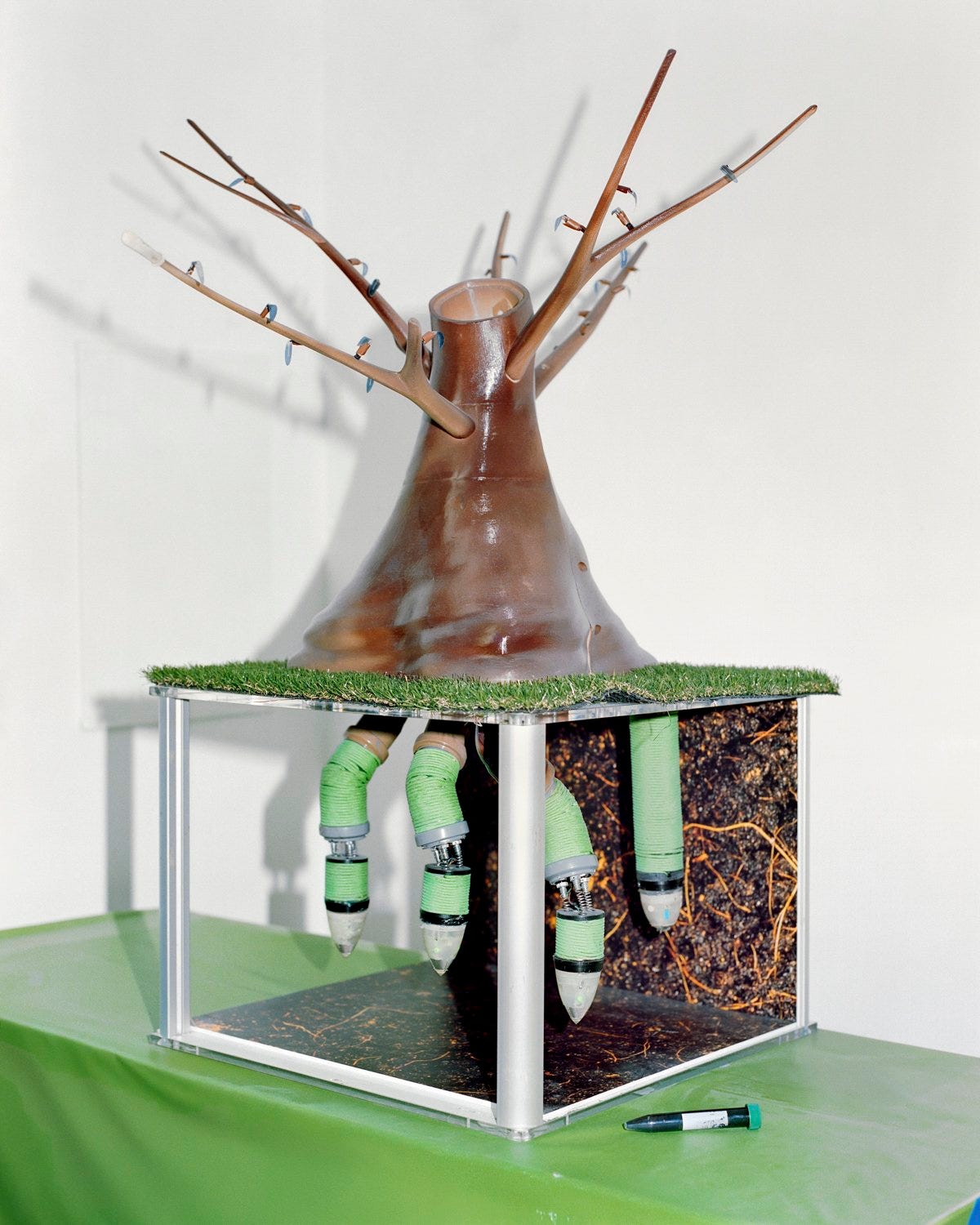
As he explains, “since I’ve already been to various theme parks, museums, or aquariums, I’m no longer looking for places of that kind, but I’m exploring new settings to broaden the scope of my research.”
He calls this “prioritizing variety over aesthetics.” Finding a different kind of environment mattered more to him than choosing another location for its visual appeal. The places already in the project helped him decide where to photograph next.
A project can grow without gaining much from the additions. More locations and more good photographs do not automatically give the work more to say.
The difficult part is judging what another photograph will add.
And sometimes that becomes clear only as the work continues.
Eiji Ohashi3 started photographing vending machines in Japan in 2008. Over the years, he continued photographing the same subject, but began to see it differently.
At first, Ohashi worked on black-and-white film. He describes those early photographs as “landscapes with vending machines.” He wanted to record how these familiar Japanese landscapes changed over time.
Later, he added colour.
In black and white, Ohashi felt he could see the whole frame more evenly. The machines formed part of the landscape around them. In colour, red machines in particular stood out.
“Rather than being part of the landscape, the vending machines became the main subject.”
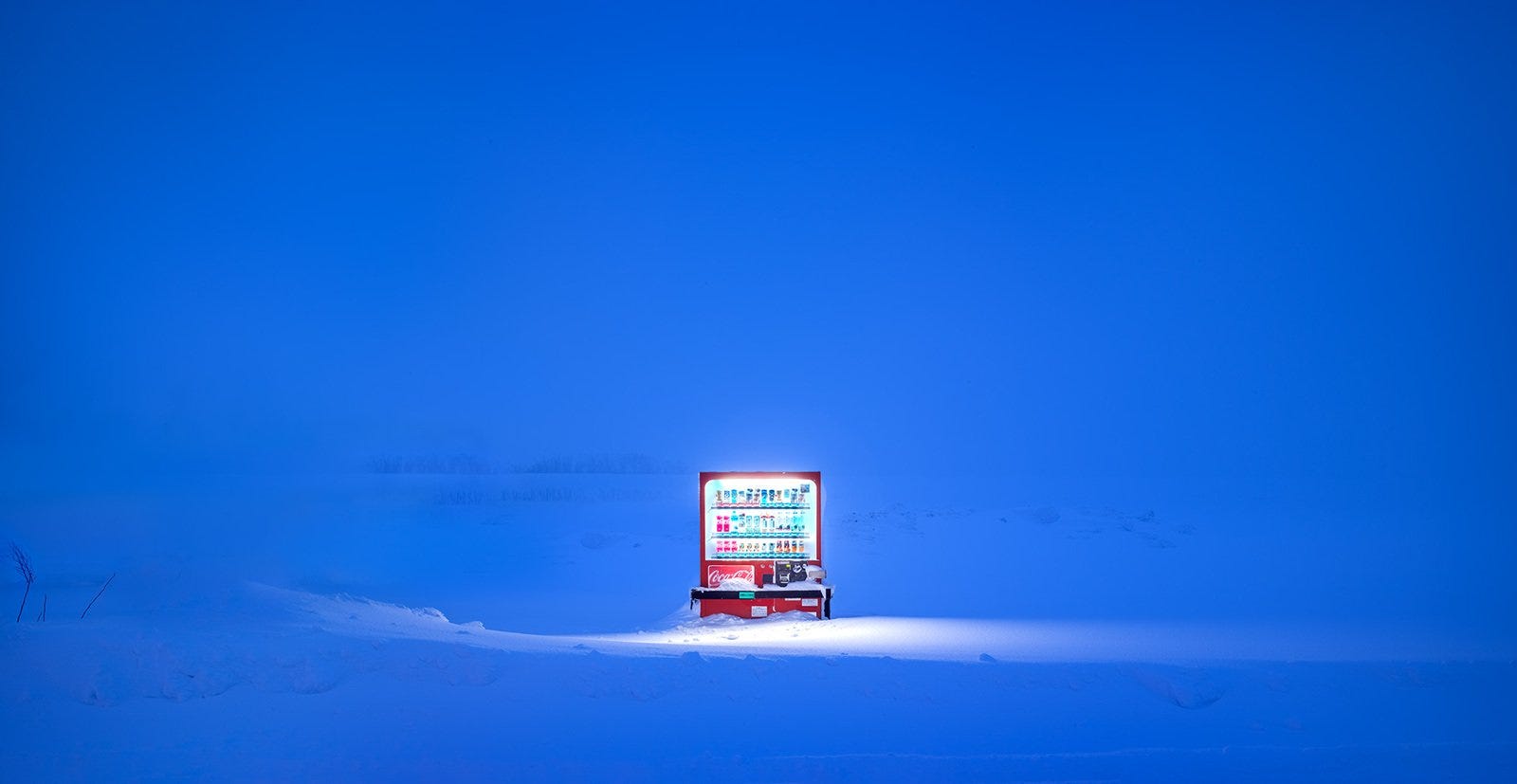
Ohashi also began to see the machines glowing alone at night as representations of “lonely modern people.” The machines worked day and night, reminding him of people who work constantly but rarely feel rewarded.
Then viewers saw something he did not expect.
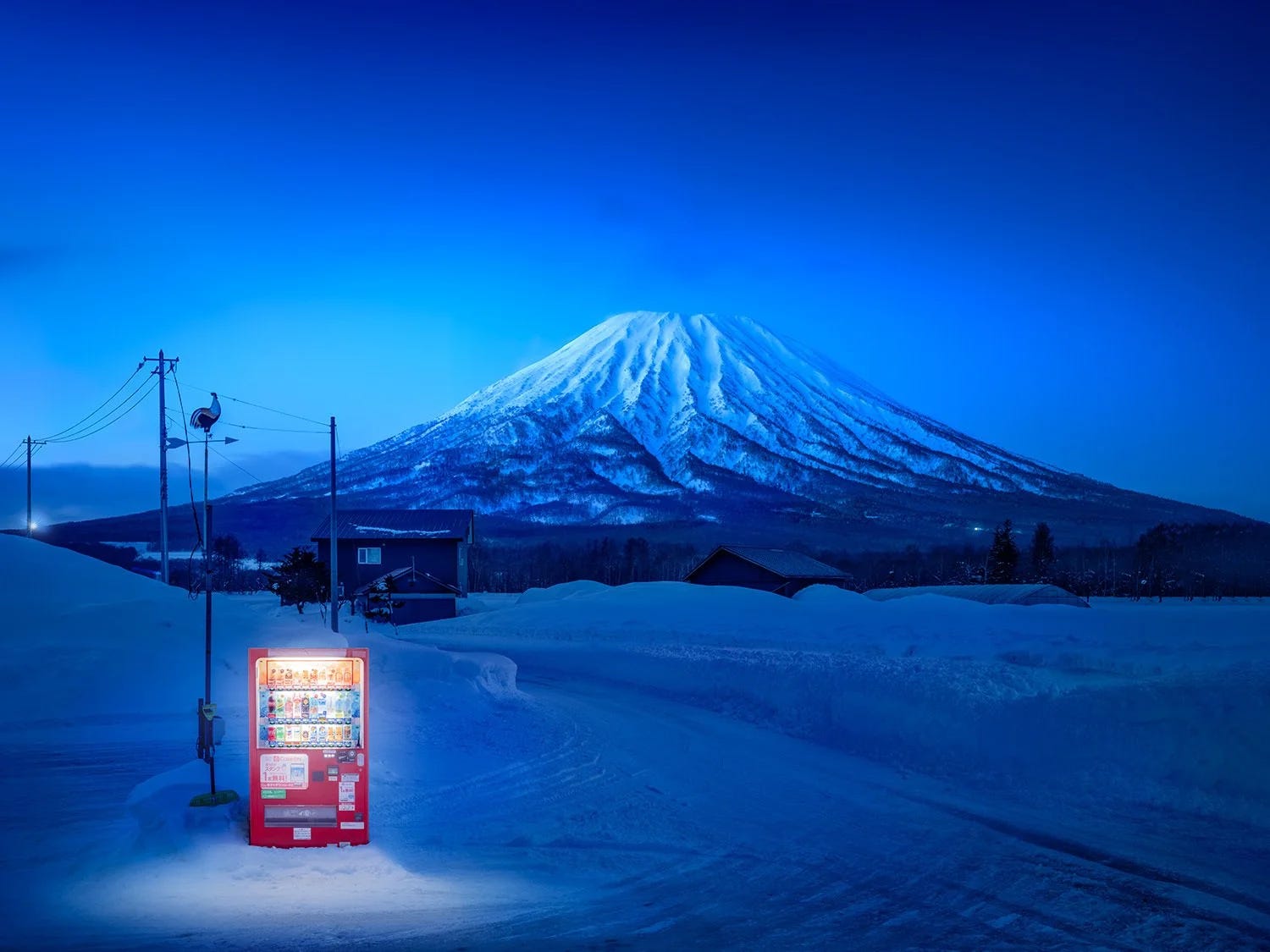
Some found hope in the glowing machines. Their response gave him, as he puts it, “an opportunity to discover new value in my own work.”
When I interviewed Robin Schimko4, something in his answer caught my attention.
He went to Mexico without a clear plan for a project. After a week or two, he began to see one taking shape, and a trip planned for one month grew into four.
But when we spoke about continuing, he considered the project finished. The photographs were tied to how he felt during those months. His life was different now, and going back would not feel like continuing the same experience.
“Technically I could, but I know it wouldn’t be genuine, it would feel like cheating in a way.”
He already had plenty of photographs. More would make the selection harder. But he also felt that the period of his life behind those pictures was over.
He could return to Mexico and keep photographing. That did not mean this project needed more pictures.
This is easy to miss when a day of photography goes well. We come home with a picture we like and take that as a reason to go back. We know we can still make good photographs there.
But that success leaves another question unanswered.
What do these photographs add to the ones we already have?
Think of a photograph of a street in beautiful evening light. In one set of pictures, it helps show how the street changes from day to night. In another, that change is already clear, and the new picture shows much the same thing as several others.
The photograph is just as good in both cases. What it adds is different.
Similar photographs can also make something clearer. One records a single moment; several can show that it happens repeatedly. An additional photograph does not have to look different to contribute something.
That gives us more to consider before returning. We can look at what the recent visits added and decide what is worth exploring further. If they mainly produced more versions of something the work already shows clearly, liking those pictures does not by itself mean the project needs more.
We do not have to settle this before pressing the shutter. Lewis only found his church photograph by returning. A disappointing visit tells us very little on its own.
But as the photographs build up, we can pay attention to what those returns bring to the work. Being happy with a new photograph does not mean the project needs more like it.
We do not have to wait until we can no longer make a good photograph before deciding that a particular piece of work has enough.
Martin
P.S. There is a problem with asking what the work needs next. To answer it, we need some idea of what the work is supposed to become. That can help us make decisions. But it can also make us ignore a photograph simply because it doesn’t match the one we had in mind. In the next issue, I’ll look at when a clear idea helps the work, and when it starts getting in the way.
Lewis Ableidinger: Interview about Driving Through Flyover Country, About Photography. On returning to familiar places, the yellow chair in Arena, and the church photograph from a different project.
Nicolò Rinaldi: Interview about W.E.I.R.D., About Photography. On choosing new settings and prioritizing variety over aesthetics.
Eiji Ohashi: Interview about Roadside Lights, About Photography. On black-and-white and colour photography, vending machines as the main subject, and viewers finding hope in the work.
Robin Schimko: Interview with Robin Schimko, About Photography. See “When do you know a project is finished?” and “What happens to a finished project” for his account of the Mexico project and his reasons for ending the photography.