

Everett Helm started Composition as a design student, collecting images that caught his eye. Today it is a platform for photography and contemporary art, with a special focus on emerging artists. His aim is to build a bridge between work that is good and work that reaches people. He writes about creative practice, editing and visual research in his Substack, Compositionally Inclined, and shares selected work on Instagram as @composition.
What changes when someone else selects the photographs?
Photographers send Everett Helm their work, and he chooses which images to show and how to arrange them. In this conversation, he talks about what makes a post work on social media, why you should ask someone you trust to look at your work, and what the second image in a carousel can tell you.
What makes a photograph or visual image work on social media? Do you have to shock or surprise people, or do you have to aim for something new?
That's a huge part of it. Something new is always going to be something people want to see, and that's obviously very hard to pin down, because so much has already been done. As for shock, it's usually not in a very visceral way. It's more that the image is a little bit jarring.
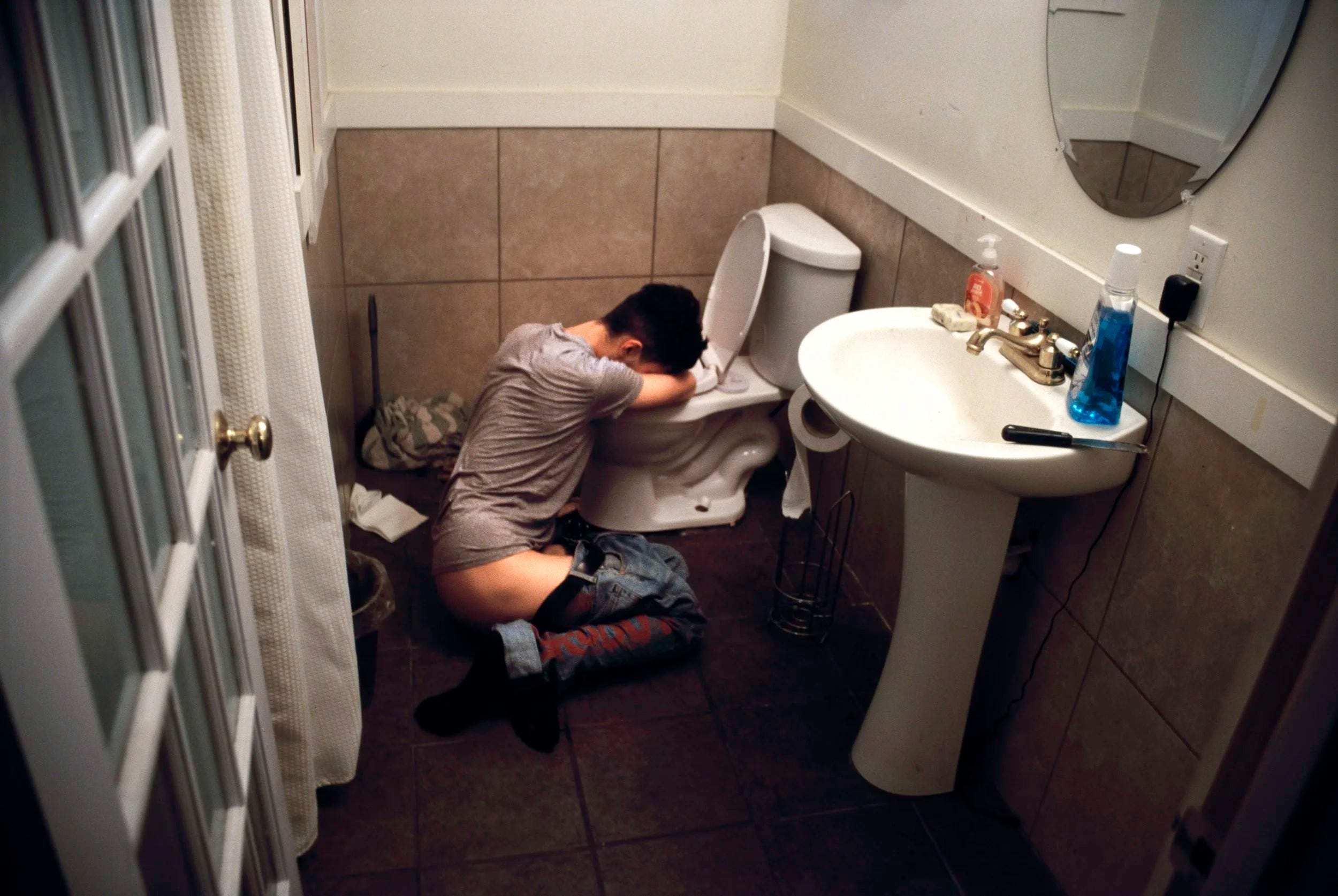
For example, I made a post for one of our members, Grady [Editor’s note: Grady Rajagopalan, whose series The American New Wave was featured on Composition]. In the series he submitted, one of the pictures showed a guy leaning over a toilet with his pants down. It looked like he had been out partying, was drunk and was throwing up. I was on a call with him while I was making the post, and I told him, "This is going to go nuclear, because this is going to be the cover shot." Then we posted it, and I watched all these new followers come to him from the post. I think it's at around two hundred thousand views, and that was just last week. A bunch of other pages also reposted it, which was cool, because it led to more people seeing the work and following him. That's just one example of something where I knew it was going to work.
In your article "You're Too Close to Your Own Work," if I remember correctly, you discuss how difficult it can be to recognize what needs to be removed from something you've created. When you look at another photographer's work, what can you recognize that the photographer might struggle to see?
I think it's really difficult, as an artist, to look at your own work through a third-party lens. Because I've done it so much at this point, I can see what's working and what isn't, based on intuition. In the article, I recommend that people send their work to a third party and have them take a look and say what's working best and what isn't.
That's also a big part of what I do with submissions. People submit a ton of work, and I pick what I think is the best and the best way to present it. I can serve as that third-party editor for a lot of the artists and photographers in the community, which is really cool and really exciting. I really enjoy that part of it.
It's also something I would recommend everyone do. Always get a second opinion, but from someone you trust. That's the crucial part. It has to be someone with good taste and some level of understanding of art, of the landscape and of what they might feel drawn to. I wouldn't necessarily ask my dad to look over my work, because he doesn't know anything about art. But I have plenty of friends whose second opinion I would ask for. I don't produce a lot of work myself, but when I write an article, for example, I send it to friends who are good writers and whose opinion I respect. I ask them what's working and what's not, and then I take that input and make the piece cohesive.
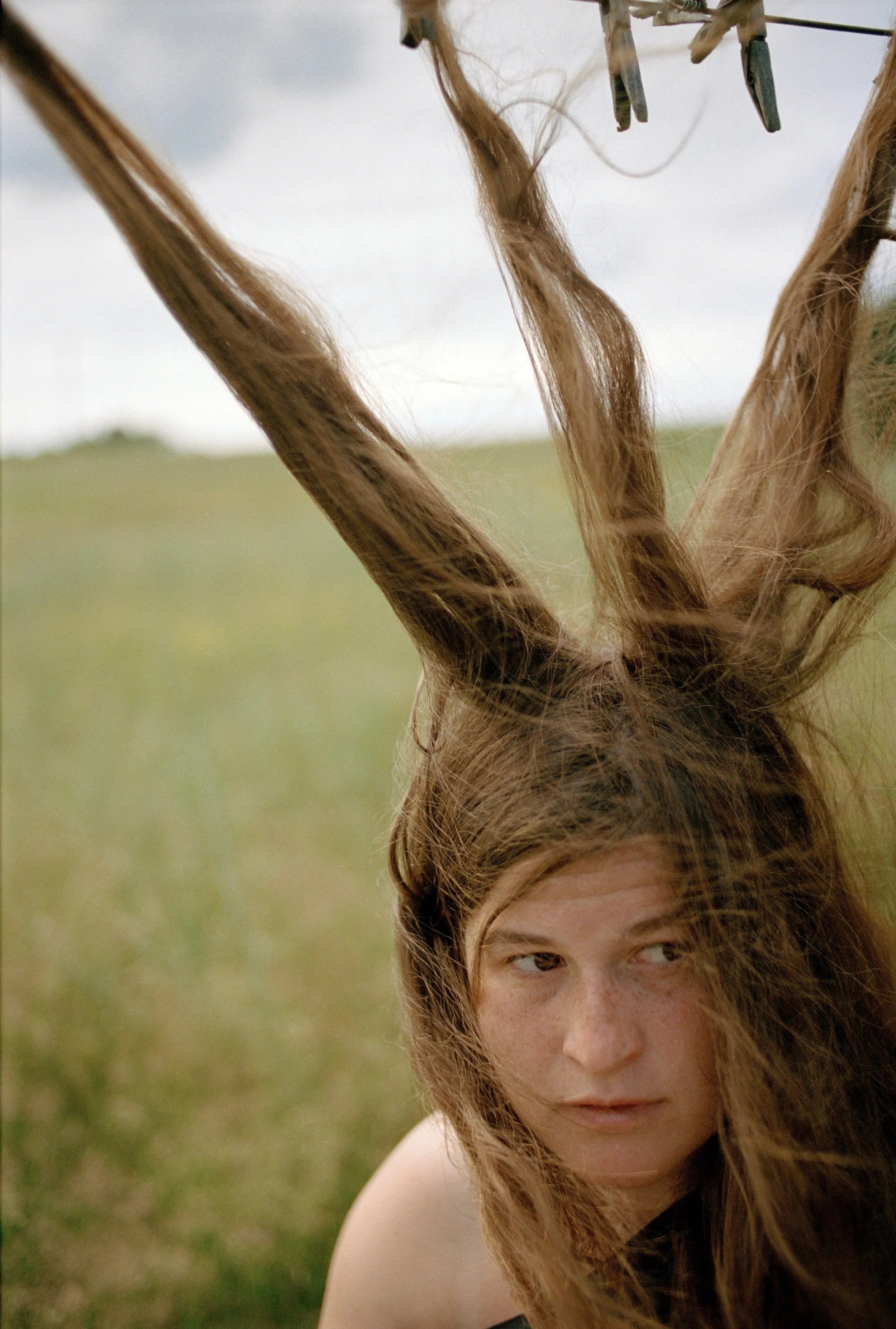
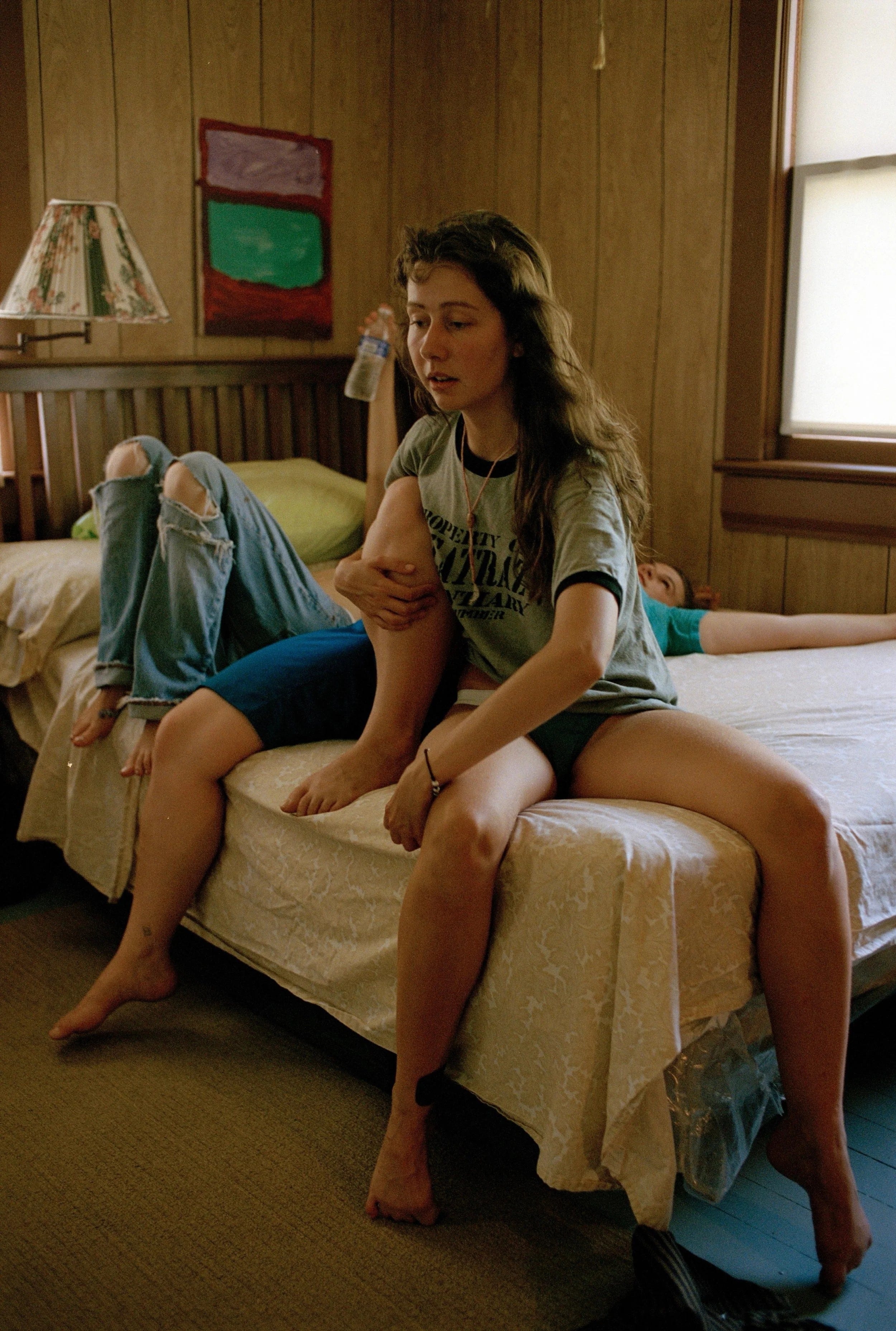
In terms of sequencing, has it ever happened that you posted something, it didn't work, and then you rearranged the order and it suddenly worked? Maybe because the stronger image was presented first, or because the story became more readable or recognizable for the viewer?
When you post a carousel on Instagram specifically, Instagram will sometimes show the second image first if people respond better to it. If someone sees a carousel and scrolls past it, Instagram may show it to them again with the second image first. I think that's a really cool way to A/B test what will be received well. So I always keep that in mind when I'm structuring a post. I usually choose the first image as the one I think will do best, and then I have a plan B as the second image, the one I think will do second best. Sometimes that second image is the one that shows up in people's feeds, and that leads to the post performing better.
I just got the Instagram update that lets me rearrange the order of images in a carousel after posting, and I've only used it two or three times so far. I haven't seen a post blow up because I switched the order. I think that's because I still see the first and second images as the ones I think will do best. If those don't work, the post probably isn't going to do great in general. Sometimes I'll switch to a different image if I think it would work better on the grid and draw more people in to click on it. But I've yet to have a situation where I posted something, it flopped, I switched the order and then it went viral.
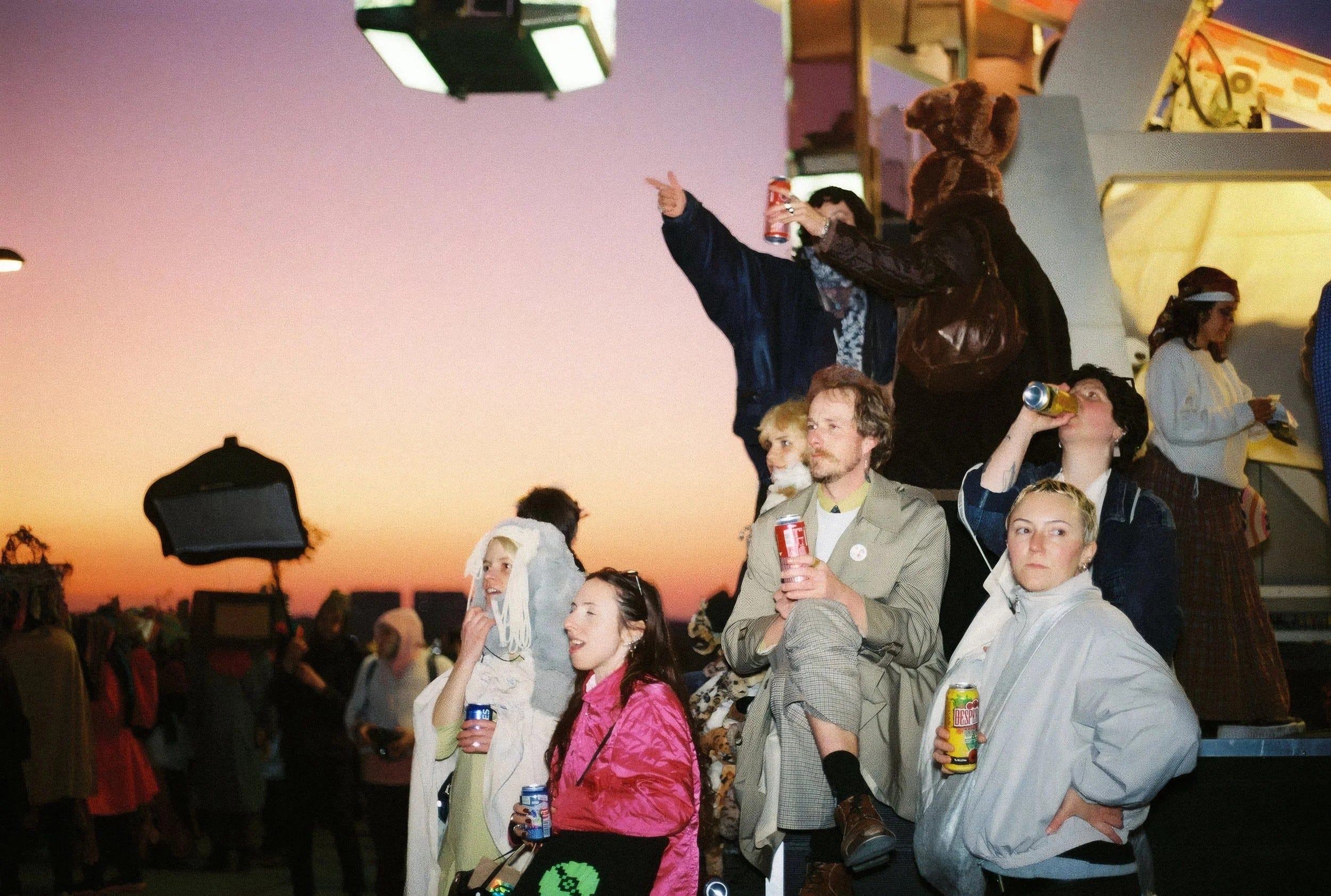
About the curator
Everett Helm
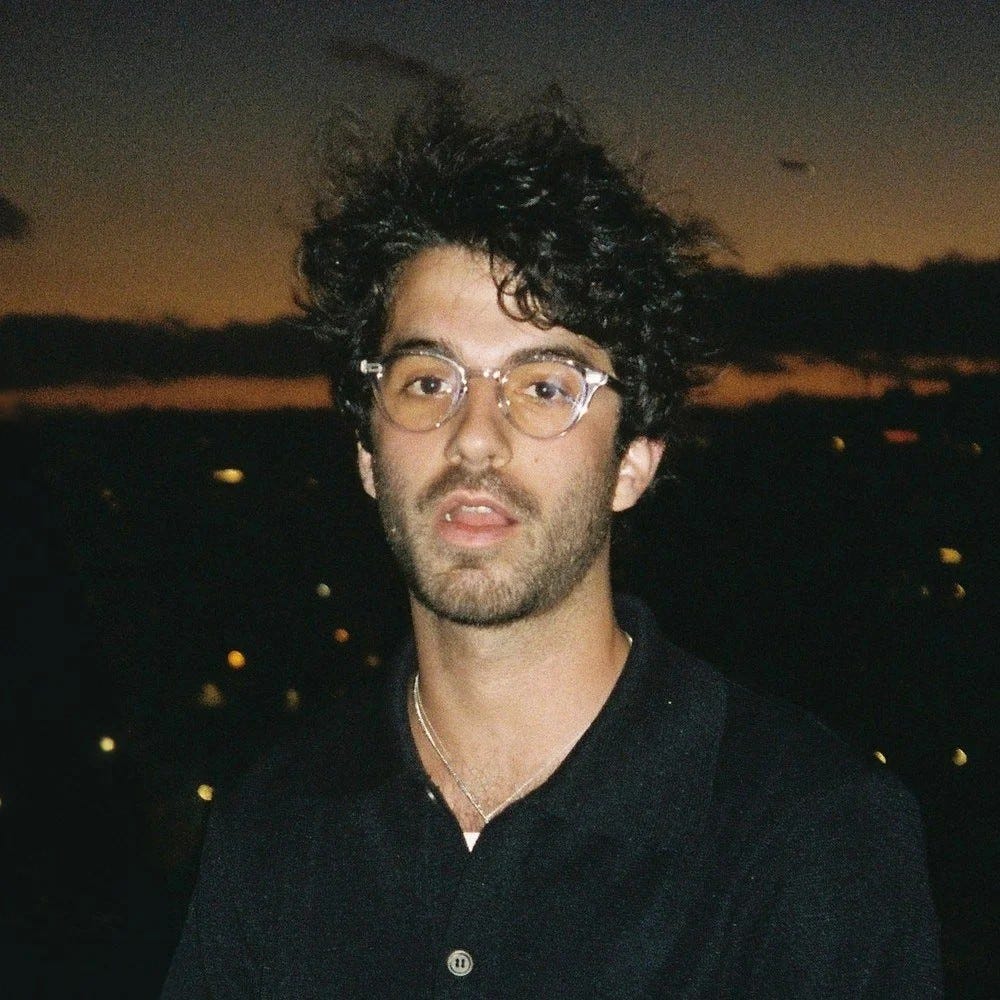
Everett Helm is an editor and curator from Tennessee, based in Miami. He studied graphic design and founded Composition while in college, initially using it to collect and share his visual interests. His work now focuses on selecting and presenting photography and contemporary art, particularly by emerging artists. He also writes Compositionally Inclined, a Substack publication covering creative practice, visual culture, research and editing.
This is a shortened version of the conversation. Read the full interview with Everett Helm on About Photography.