

What if the photographs you have now were all you were going to get?
Jessica Hays1 started The Sun Sets Midafternoon without knowing how long the project would last. She was photographing wildfires across the American West, making photographs, videos and keeping a journal along the way.
Towards the end of that first fire season, she brought some of that material together.
She made a book.


Hays selected photographs and writing from the previous months and turned them into a handmade book. You might expect something like this to come near the end of a project, but for Hays, it came after the first fire season.
And it told her something she had not known when she started.
“That book taught me a lot, mainly that this project was something important, and also that I wasn’t done yet, and it would be many more fires before I was.”
So she continued. Over the following years, Hays photographed more fire seasons and made two more handmade versions of the book as the work developed. Each version followed one or more additional seasons, with more photographs available each time.
I find that first book interesting because it did something we might not normally expect a book to do. It did not close the project, but it helped Hays understand how much further it still had to go.
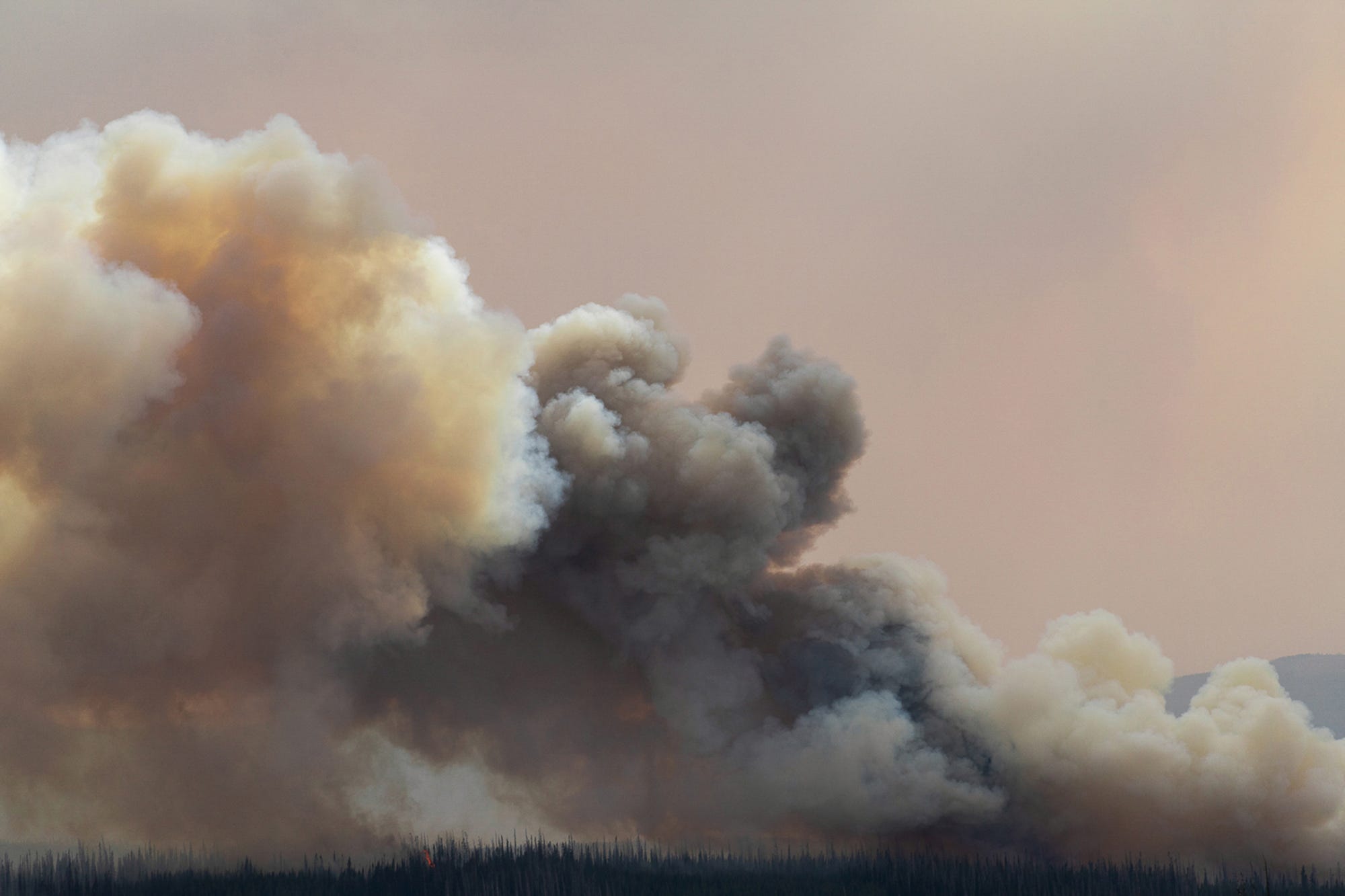
Which made me wonder what would happen if we applied the same idea much earlier, before there even was a book to make.
Imagine the photographs you have right now. Maybe they already belong to a project. Maybe there are a few dozen photographs that seem connected, but you are not quite sure why. Or they are simply photographs you keep returning to while continuing to make more.
The natural thing is to keep photographing. Another month, another trip, another hundred photographs. There is always the possibility that the next photograph will make things clearer.
But what if, just temporarily, there wasn’t a next photograph?
What if the photographs you have now were all you were going to get?
You would have to ask something different of them. Instead of wondering what else you could photograph, you would have to look at what is already there and decide whether it is enough.
Anette Nordskog2 found herself in something close to this situation while working along the Lågen river in Norway.
She had lived in the area for around fifteen years when, in 2023, she accidentally noticed some fishing equipment below a bridge. It led her to one of the small wooden rafts used for a centuries-old local salmon-fishing tradition. She went home, looked it up, and became, in her words, “absolutely obsessed” with what she had found.
Her first idea was straightforward: photograph the rafts as a typology.
Within two weeks, she found 24 of them and photographed them.
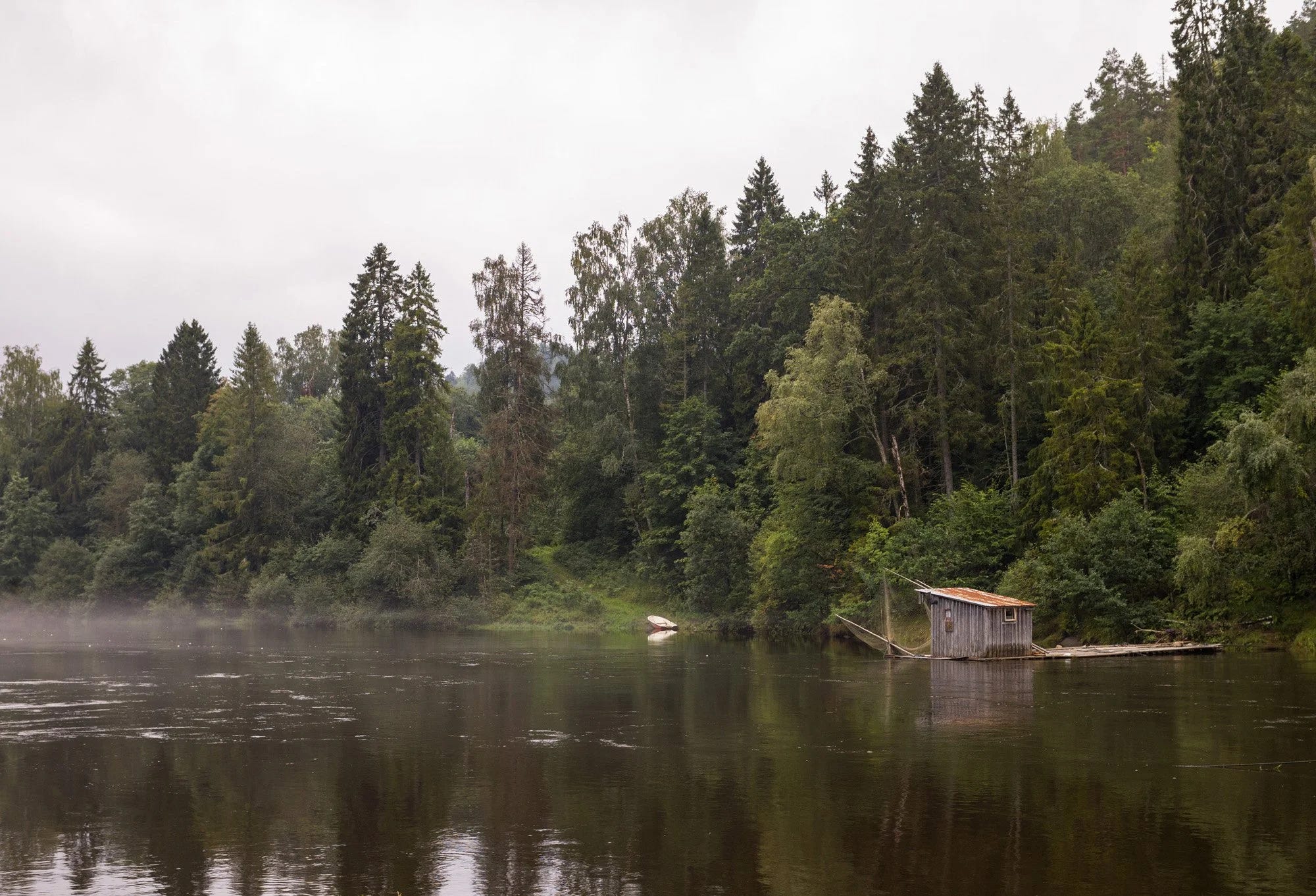
In one sense, she had done what she set out to do. There were the rafts and there were the photographs… and then she looked at them.
“While looking at the pictures later on, I realised that something was missing, and that I wanted to make a more complete story about it.”
So the project expanded. Nordskog began looking beyond the rafts themselves. She photographed the fishermen, the long periods of waiting, the huts and their interiors, people spending their nights beside the river, and the quieter relationship between the rafts and the surrounding landscape.
She could have kept photographing more rafts, but that would not have solved the problem she had noticed. What was missing was the life around them.
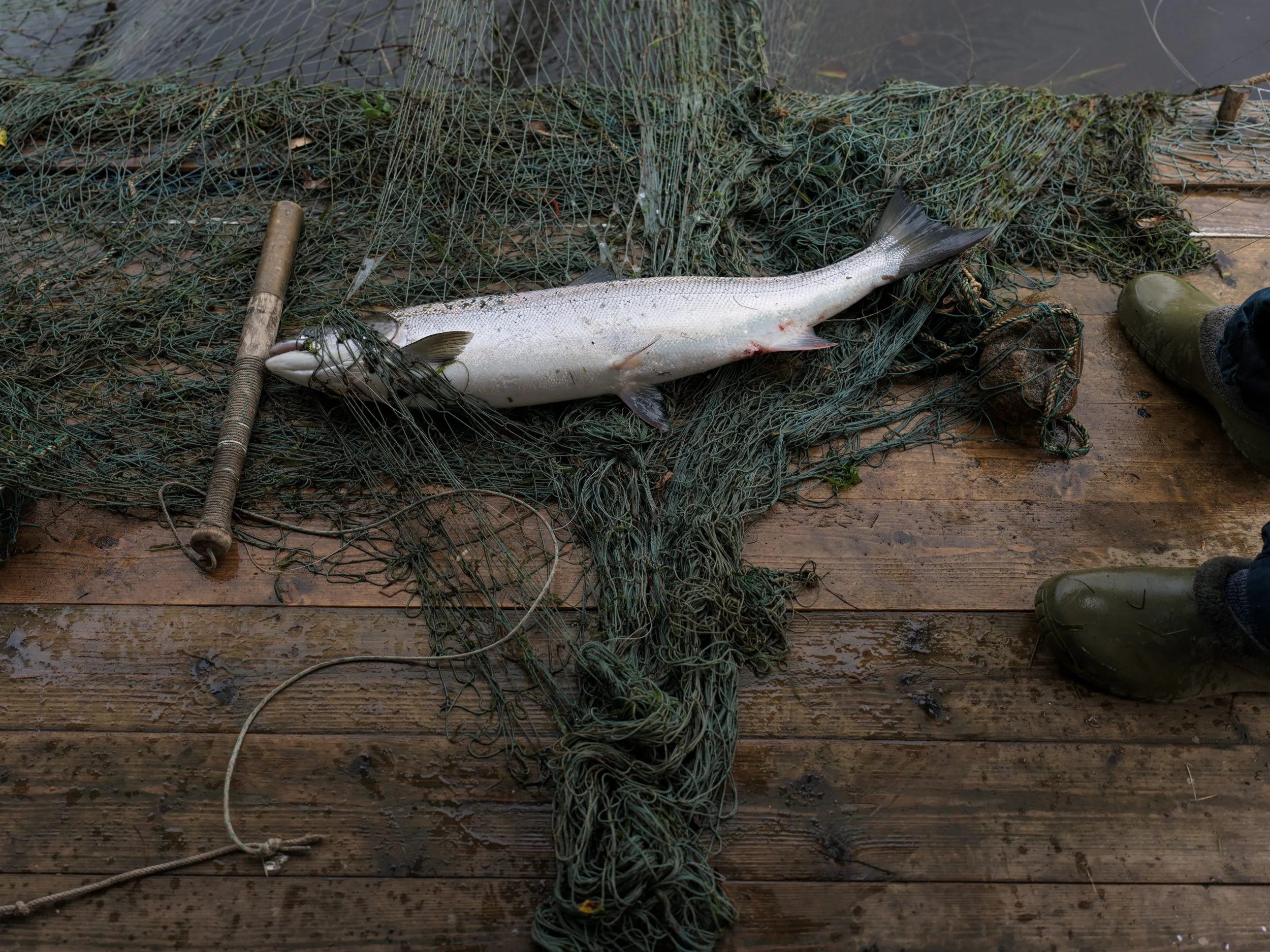
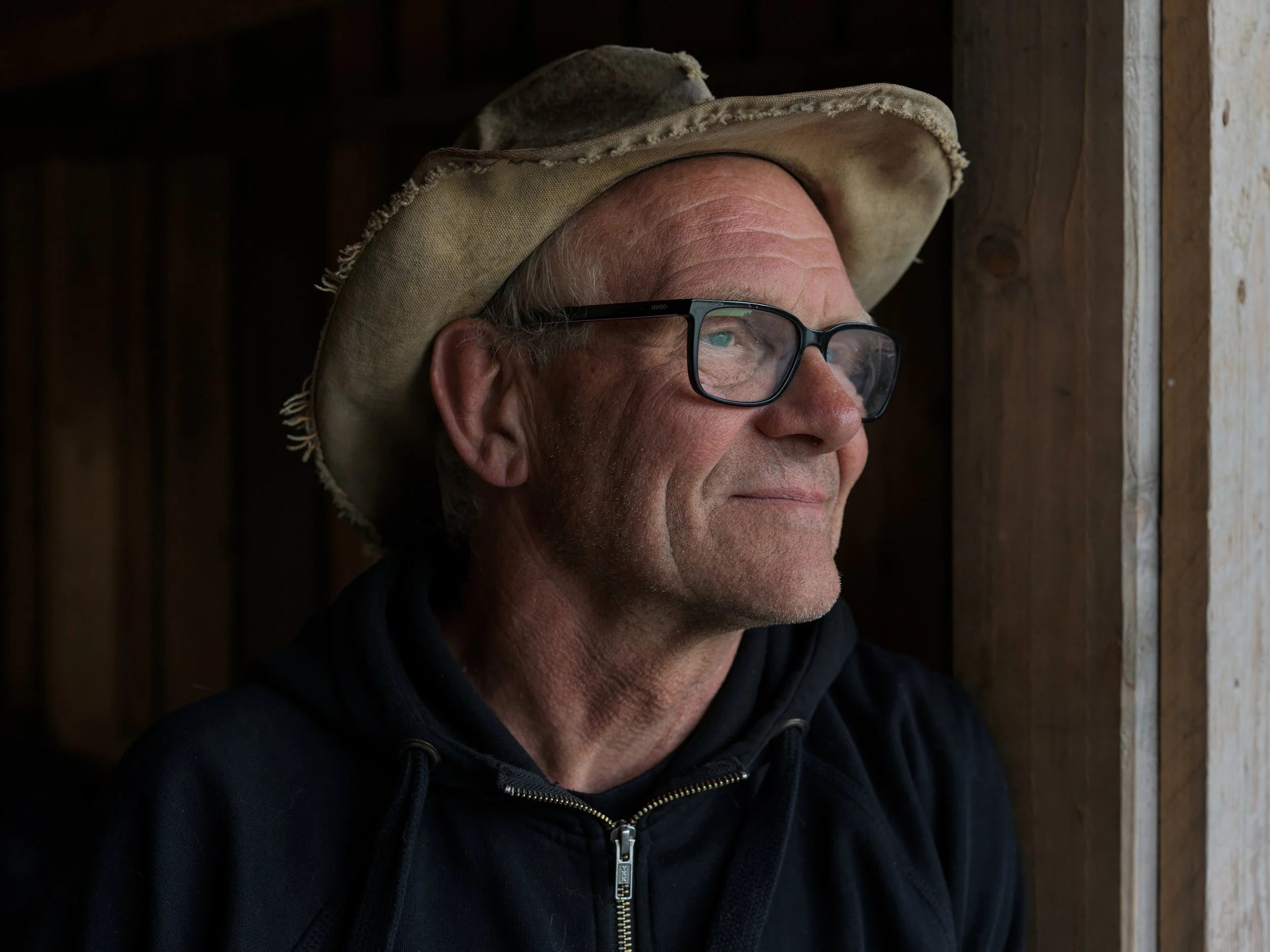
Looking at those first 24 photographs had given her useful information. The project needed to continue, but now she had a better idea of where to look next.
And I think this is where temporarily finishing something can become useful.
As long as a body of photographs remains open, almost any uncertainty can be answered in the same way: keep photographing. Another photograph might solve it. Another month might make the direction clearer.
But temporarily removing that option changes the question.
Instead of asking, What else could I photograph?, you have to ask what the photographs already there can actually do on their own.
Maybe they are enough. Maybe there simply aren’t enough of them yet. Or, as Nordskog discovered, they may show you that the project needs something you were not even looking for when you started.
Trying to finish does not necessarily tell you that you are finished. Sometimes it gives you a more specific reason to continue.
But this is also where the idea becomes more complicated.
If looking at an unfinished body of work can tell you what is missing, what should you do with that information when you pick up the camera again?
