

Why do some things keep appearing in our photographs before we know we’re looking for them?
You may think you photograph the street. Or your family. Or the landscape around where you live. But look back through enough photographs and you may notice that something more specific keeps returning.
Wei Jian Chan1 found this in an archive of around 40,000 photographs.
When he began thinking about turning his street photography into a book, he tried organising the photographs in ways that seemed obvious.
First by geography. Then chronology. Then subject.
None of them felt right.
So Chan selected a few hundred photographs, made small work prints and began moving them around his flat. He kept doing this for months.
And gradually, he noticed something he had never deliberately looked for.
Many of the photographs contained people whose identities were obscured. Faces were hidden or turned away. Chan had never set himself a rule to photograph people anonymously.
But he kept doing it.
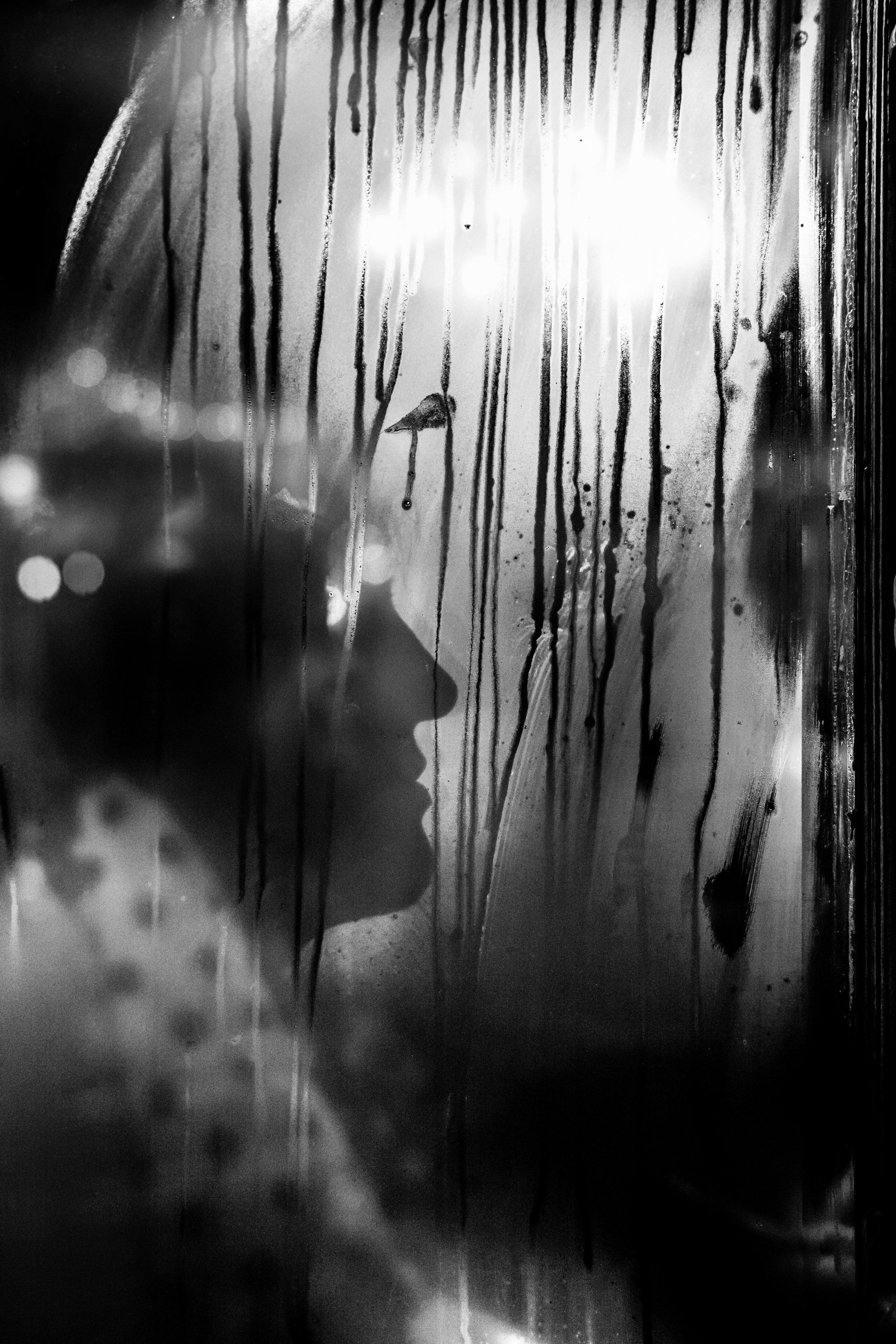
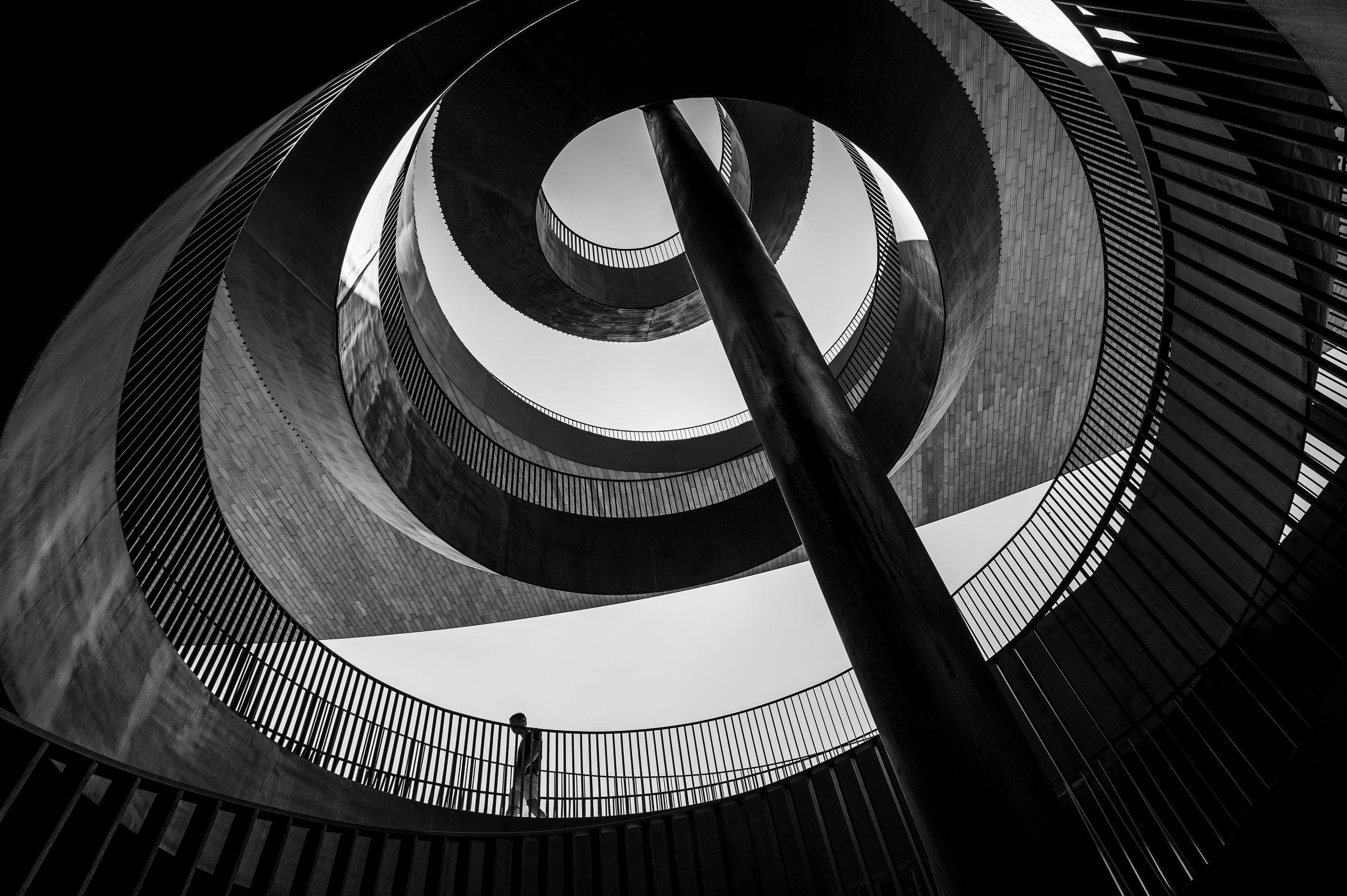
There were other patterns too. Geometry appeared repeatedly in the photographs, although Chan says he had been responding to it instinctively rather than treating it as part of a larger idea. Only now, with the photographs in front of him, could he begin to see these choices together.
Chan had moved from Singapore to the UK. Looking back, he began connecting the anonymity and distance in the photographs with his own experience of displacement and estrangement.
The photographs were the same, but Chan now saw something he had missed before.
He knew he was making street photographs, but he did not know what kept catching his attention on the street.
This can be difficult to notice while we are photographing. One photograph of a person with their face obscured may tell us very little about what keeps attracting our attention. Neither may five or ten.
Sometimes the pattern only becomes visible once we have enough photographs to compare.
Peter Funch2 spent nine years photographing the morning rush hour from the same two locations near Grand Central Terminal in New York. He would return between 8:30 and 9:30 in the morning, often photographing the same commuters as they walked to work.
At first, Funch thought of what he was doing as creating what he called “libraries of strangers.” But over those nine years, the same people appeared again and again and so did their habits. Someone carried coffee in the same way. Another person smoked a cigarette. Certain gestures, expressions and routines repeated themselves, sometimes months or years apart.
Funch had been photographing these repetitions for years before he understood what they could become. That happened late in the process, in 2015. He began putting photographs of the same person beside one another. A photograph made on one morning could now be compared with another made months or years later.
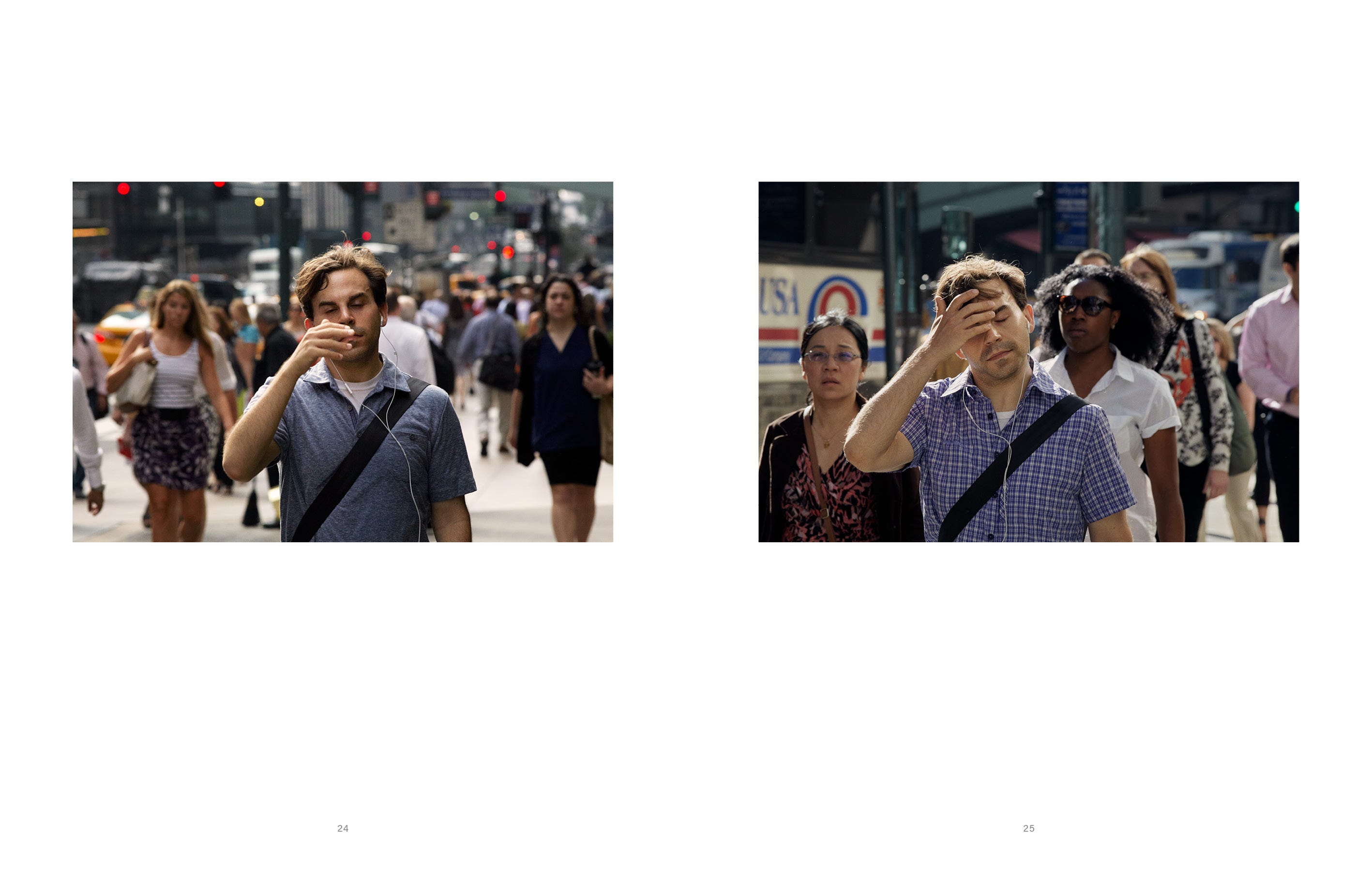
And the relationship between them changed what Funch could see.
“The real story existed in the space between two images,” he later told me. Repetition and routine had become central to how Funch understood the work. Once he saw that, the edit moved quickly.
Chan had discovered something recurring in the kinds of photographs he was drawn to. Funch found something slightly different. It only became visible through the relationship between photographs made at different times.
One photograph could show a commuter holding a cup of coffee. Only several photographs made over time could show that he kept doing it.
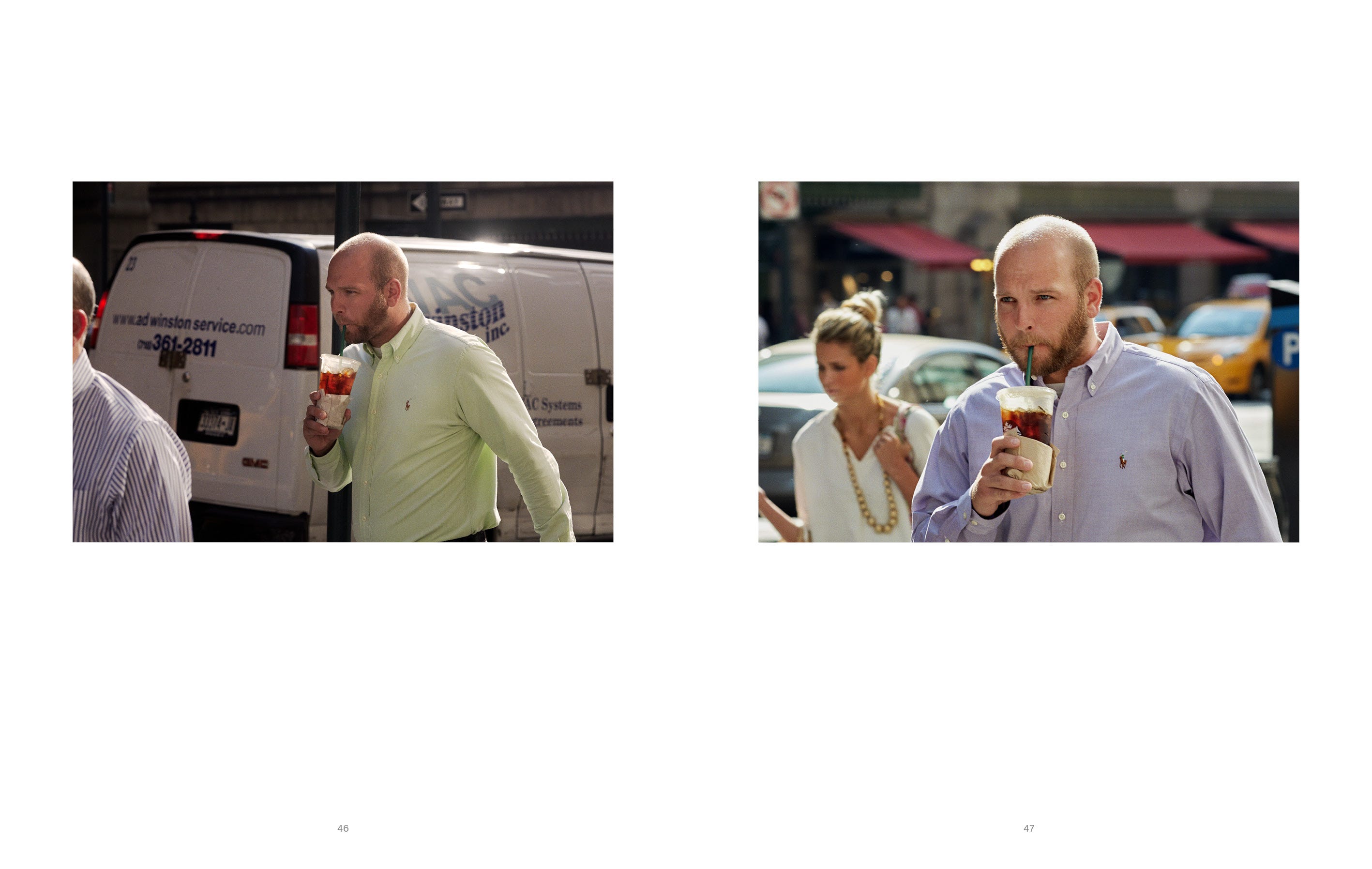
Some things only become visible when we look at photographs together.
But there is a problem with taking this too far. Look through enough photographs and we can probably find all kinds of repetition: the same colour, the same gesture, the same kind of person, a recurring distance or shape.
The fact that something repeats does not necessarily mean it explains what the photographs are about.
So how do we know when a pattern deserves to change how we understand the work?
