

Building the Work · See where this fits in Photography, Reconsidered →
I know which photographs I like. I can explain what caught my attention, or why I want to keep looking at a picture. But liking each one does not tell me what I could make by bringing several of them together.
Perhaps they are photographs of someone we know well, or a place we keep returning to.
I like taking photographs, and yet I am sometimes afraid to take the next step. I think it is because I have some idea of what I am doing with a camera, but building something from the pictures feels like a different discipline. I know photographers who have taken hundreds of thousands of photographs but have never put together a project.
I need to practise that part, too. While interviewing photographers for About Photography, I have found people who make some of these choices look easy.
But how much of the preparation have we already done?
It is a little like running or cooking. Someone who runs regularly may never consider entering a local race. Someone who cooks every day may hesitate to invite friends over for dinner. Both would have something new to learn, but they have already done much of the preparation and I wonder how many photographers have years of pictures to work with without considering what they could make from them. I mean, you would still have to learn how to make a book, but at least you would already have photographs to try it with.
So, say you want to make something from the photographs you already have. Where would you begin?
When I recently interviewed Wesley Verhoeve, we talked about how he chose the photographs for Notice Journal, Volume 2. He describes ending the book with two diptychs: sandbags protecting a building, followed by a Ferris wheel and newlyweds taking a selfie. He had turned around and found ordinary life continuing nearby.1
Wesley Verhoeve · Notice Journal, Volume 2
A photobook made during a visit to Verhoeve’s partner’s extended family in Ukraine. It brings together everyday family life during war, presented in diptychs that preserve the pairs of photographs as he took them.
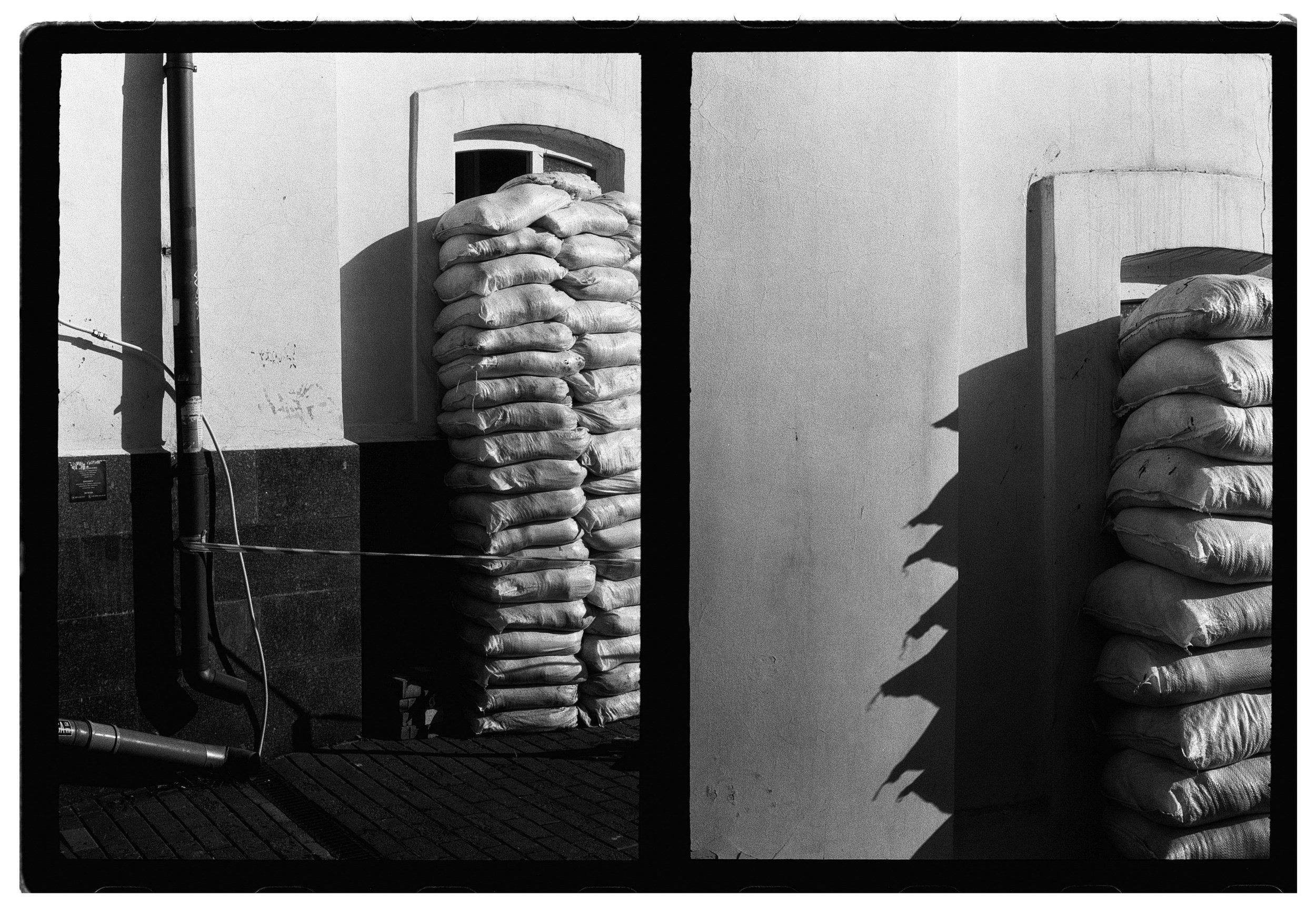
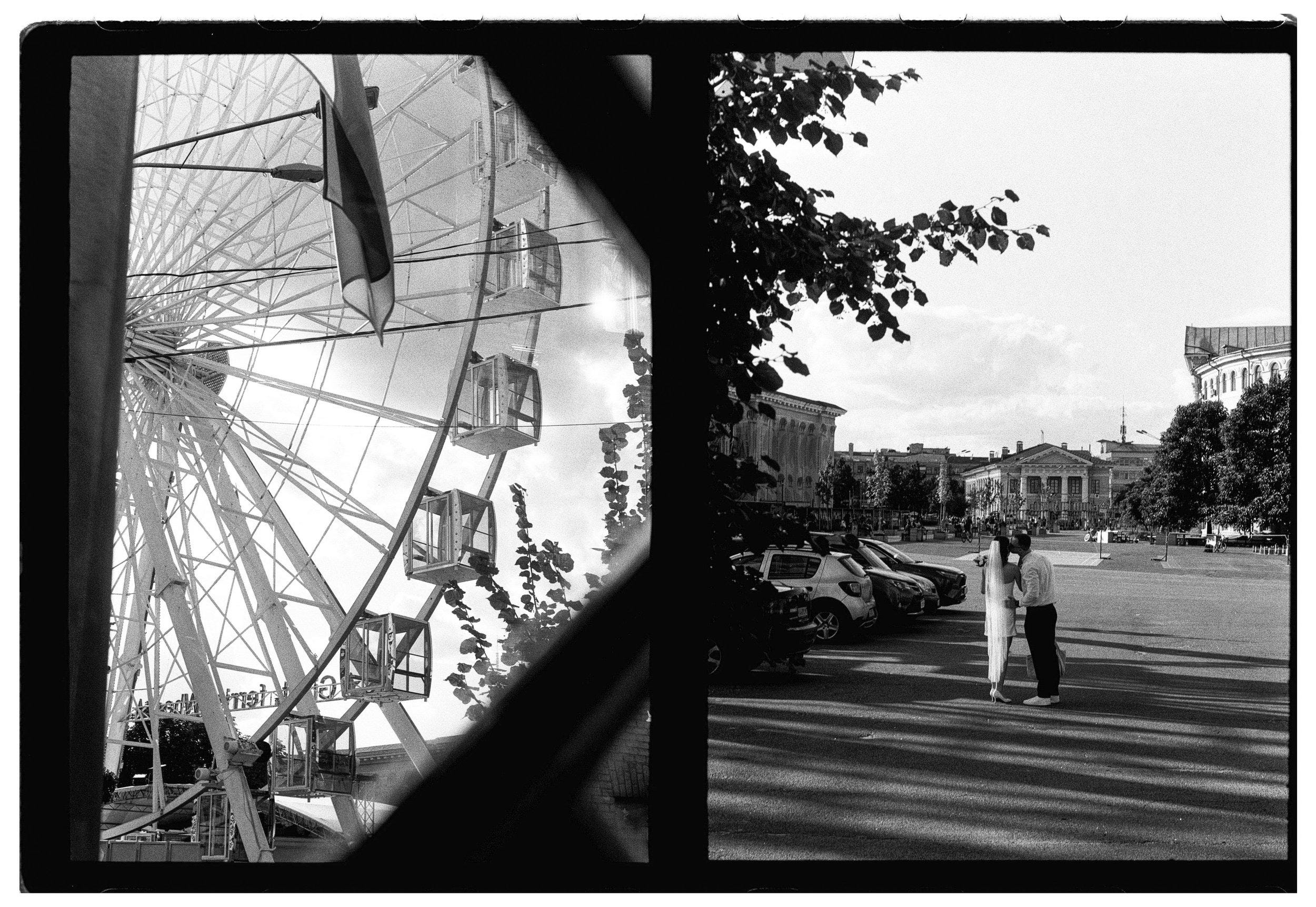
A photograph of the wedding and a photograph of the protected building could each lead us towards a different story. Here, they belong together. So I was naturally curious: how did he decide which other photographs belonged in this particular book?
I would probably begin by choosing my favourites. Wesley enjoys selecting and sequencing, and has years of experience doing it, including as a curator. The hardest part is deciding what story he wants to tell. Back home, he looked through the pictures and thought about what he had experienced and wanted to share.
He wrote one sentence explaining what the book was about. That's it. Then he looked at the photographs and asked which ones helped him tell that story.
“This is a book about one extended Ukrainian family holding on to whatever ordinary life means during a time of war, during a time that’s not ordinary.”
The sentence names more than the family or the place. It describes what the family is trying to hold on to, and the circumstances in which they are doing it. The sandbags make those circumstances visible. The newlyweds and Ferris wheel show ordinary life continuing alongside them.
That gives him something to ask of the other pictures. Do they contribute to this story? Is another photograph already doing the same thing better?
He can love a picture because of what he felt when he took it and still leave it out. That photograph can belong to something else later. His sentence gives him a reason to choose beyond how much a picture means to him on its own.
In Your Best Photograph May Be the Wrong Photograph, we considered why a strong picture might not belong in a selection. Wesley gives me something to ask when I find that difficult: what does this picture add to the story I want to tell? I may still struggle to choose, but I would know what I was trying to decide.
Knowing what I want to say would help me choose the photographs. But how would I put them in an order that makes sense to someone who wasn’t there? And how would I know when the book was ready to share, even if I still wanted to keep photographing?

