

Hello Fellow Photographers,
It's Martin from About Photography with another Wednesday Photography Quiz, a free weekly email from Photography, Reconsidered.
Every Wednesday you get five photographs to guess and the full story behind one of them. You can read it all here, in the email. Your Friday issue stays the same.
Five portraits this week, from a wartime leader to a girl on a Seattle street. Can you name the photographers?
In this email:
The quiz: five portraits, vote for one name under each
Hints, if you get stuck
The answers
The full story behind photo 1: a cigar and one sheet of film
From Friday's issue
Tap a name under each photo to vote. You will see what other readers chose. No prizes, just for fun.
Stuck? Hints
1. As a teenager he moved to a new country to live with his uncle, a portrait photographer.
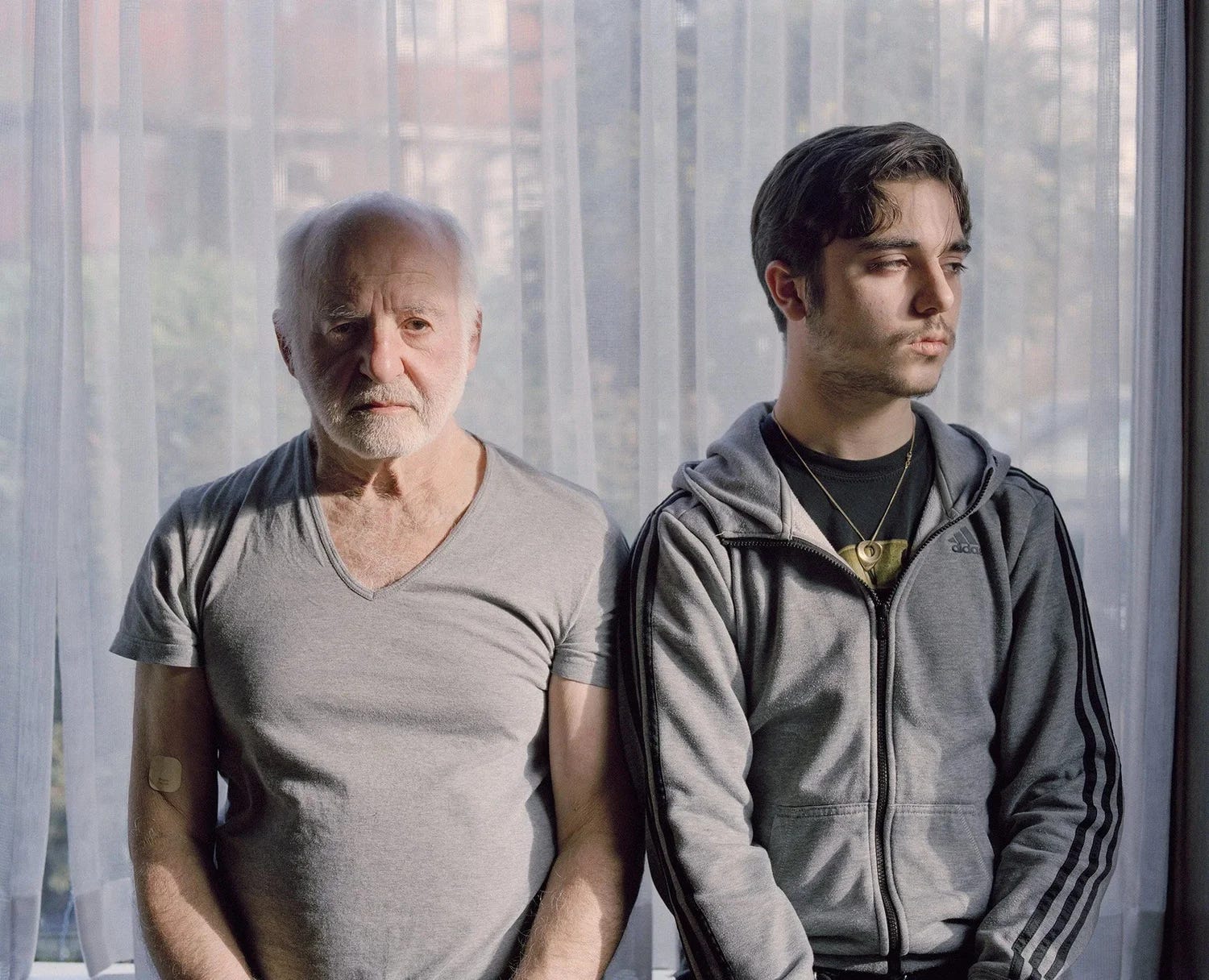
2. This Dutch photographer has photographed her half-brother and their father for more than 20 years.
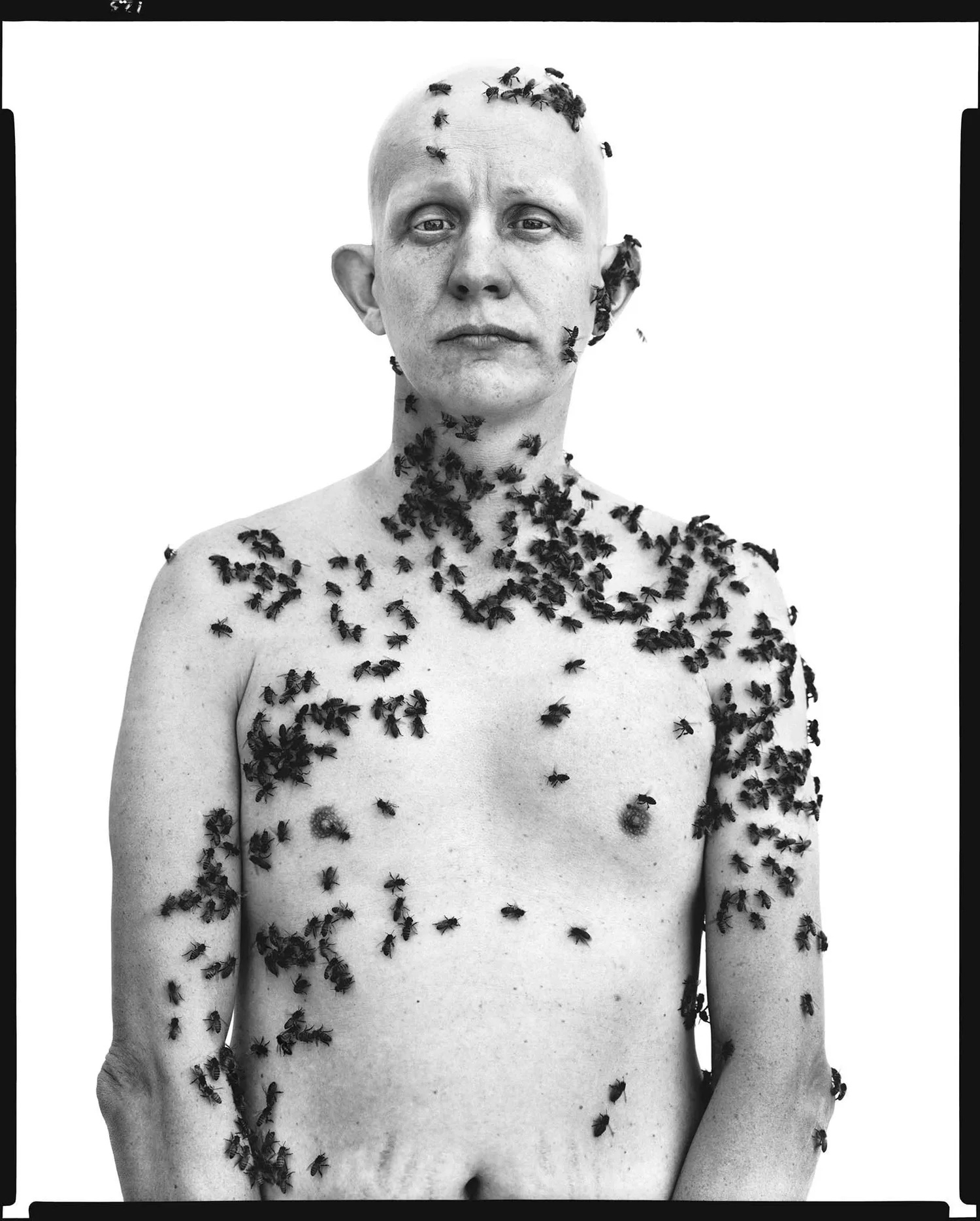
3. When he joined the Merchant Marine in 1942, his father gave him a Rolleiflex. He used it to make identification photos of the crew.
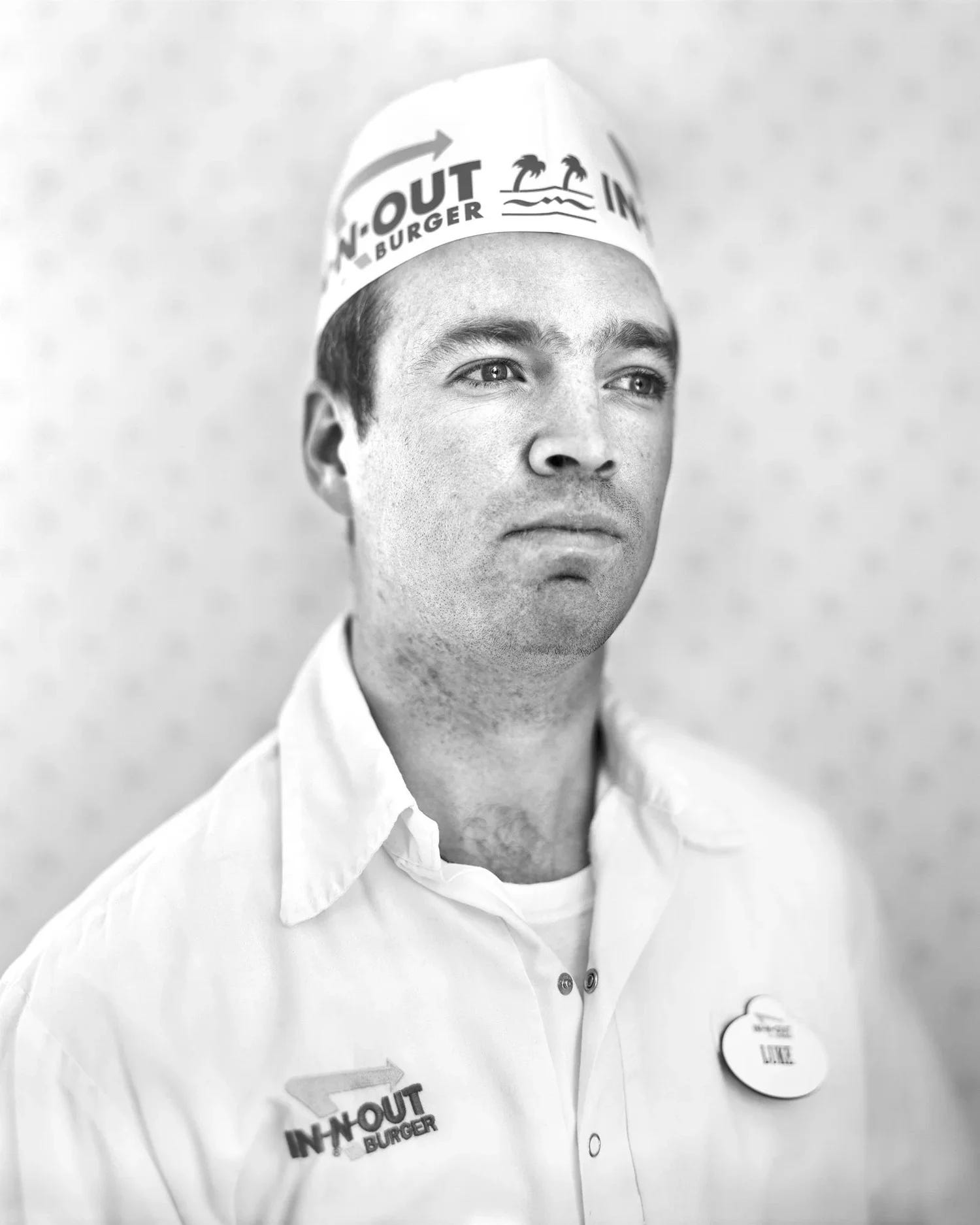
4. Born in Chicago, he works in New York with a large view camera.
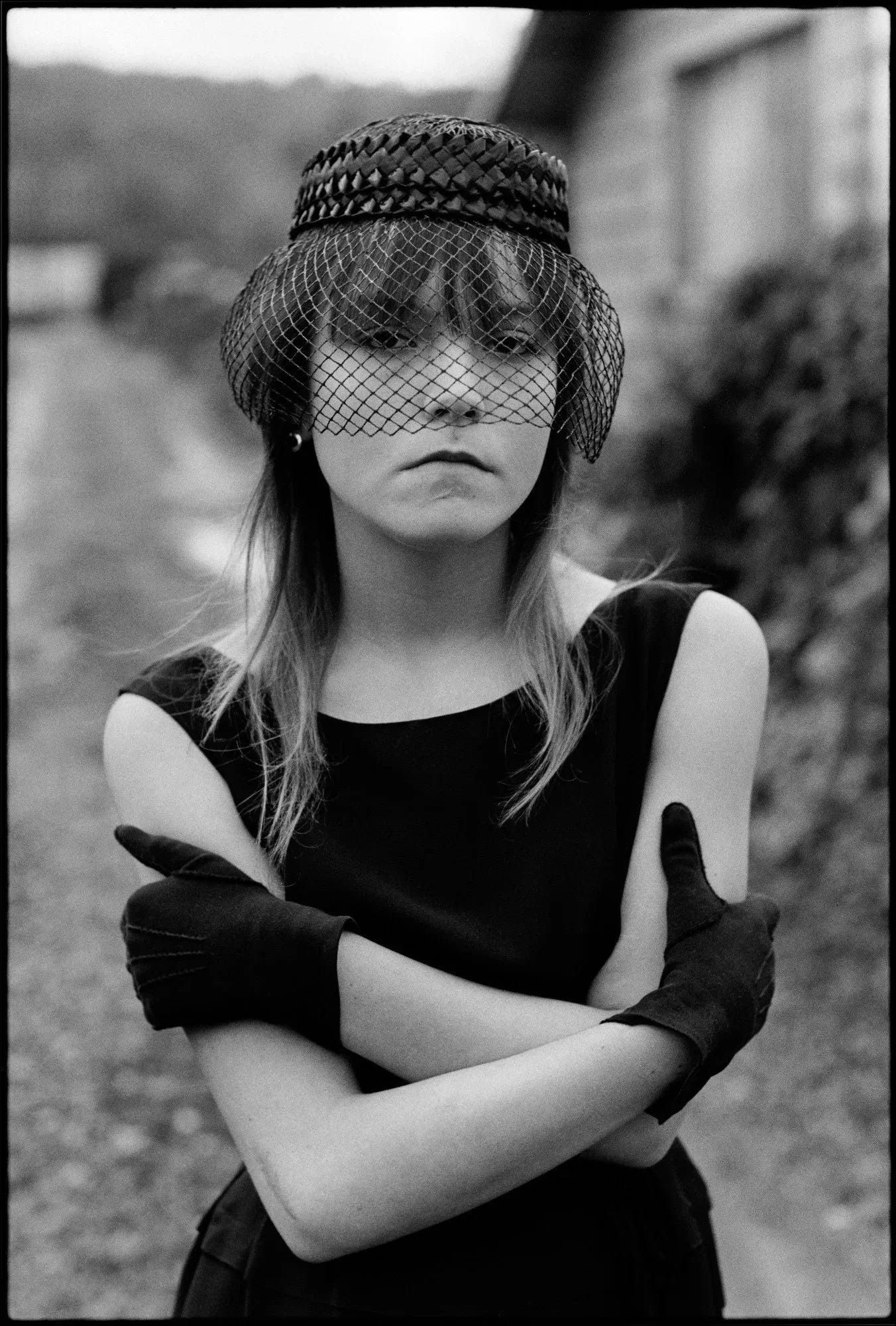
5. In 1976 she lived for 36 days on a locked psychiatric ward for women in Oregon.
Voted? Here are the answers
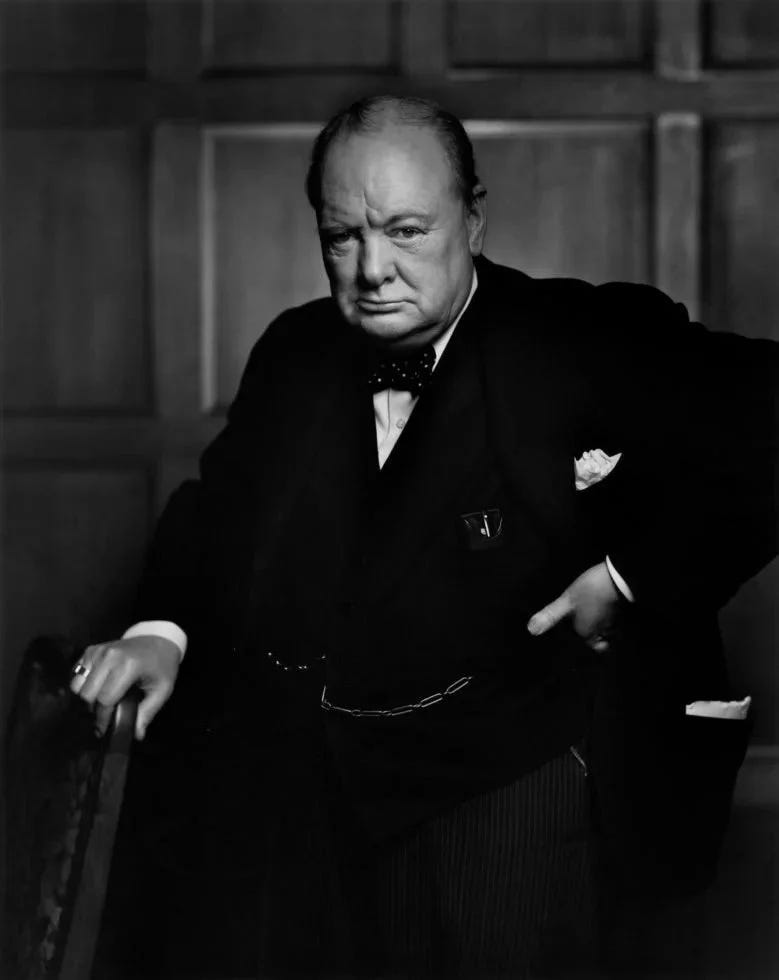
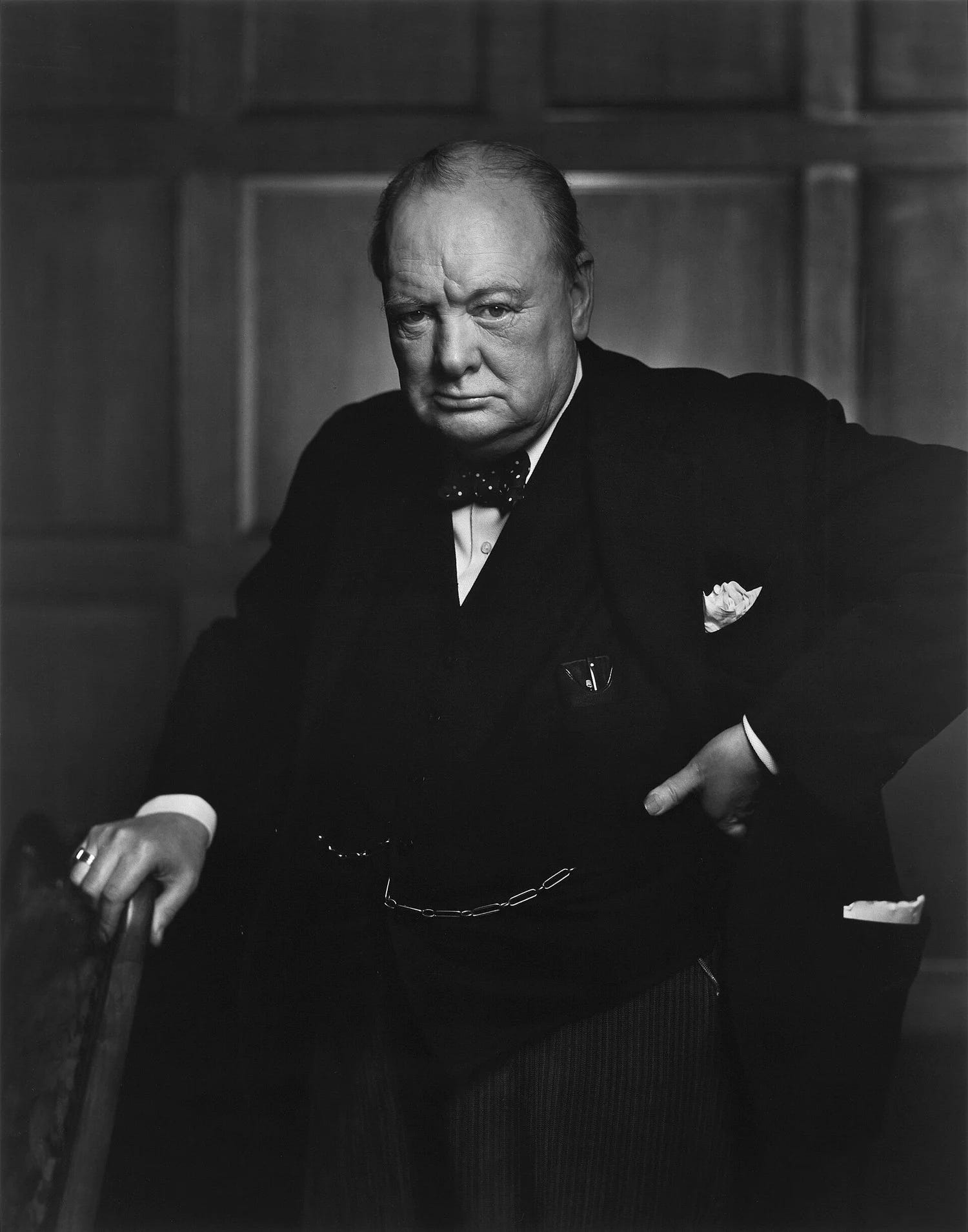
1. Yousuf Karsh. Winston Churchill, Ottawa, 1941.
In 1998 Karsh gave a Canadian science museum the lens he had used for this portrait. The full story of the picture is at the end of this email.
2. Sarah Mei Herman. Julian and Jonathan, February 2017.
Her work has been shown at the National Portrait Gallery in London and at Photo Elysée in Lausanne. Read our interview.
3. Richard Avedon. Ronald Fischer, beekeeper, Davis, California, May 9, 1981.
In 1992 Avedon became the first staff photographer of The New Yorker.
4. Richard Renaldi. From Billions Served.
Billions Served is his sixth monograph. Earlier books include Touching Strangers and Manhattan Sunday, both published by Aperture. Read our interview.
5. Mary Ellen Mark. Tiny in her Halloween costume, Seattle, 1983.
She kept photographing Tiny for more than thirty years. The book Tiny: Streetwise Revisited came out in 2015.
Your score: 5 means you could teach this. 3 or 4 is a very good eye. 0 to 2? Now you know five new names.
How many did you get? Tell us in the comments, or share the quiz with a friend who knows their photographers.
The story behind photo 1
The Roaring Lion: Yousuf Karsh's One Chance With Churchill
“Why was I not told?” Winston Churchill asked.
He had just spoken to the Canadian Parliament in Ottawa. It was 30 December 1941, about three weeks after the attack on Pearl Harbor. In a room nearby, a portrait photographer named Yousuf Karsh was waiting with his lights and camera.
Churchill did not know he was going to be photographed.
This is the story of the few minutes that followed. You will see how Karsh got only one chance, and how he used it. You will also learn what Churchill said after the picture, and why one print of it later went missing from an Ottawa hotel.
It begins with a cigar.
One exposure
The sitting was not Churchill’s idea. Canadian Prime Minister William Lyon Mackenzie King had arranged it without telling his guest. Karsh had set up in the Speaker’s chamber the evening before. He used a large view camera made for 8 by 10 inch film, with floodlights and spotlights around it.
When Churchill walked in and the lights came on, he was not pleased. “What’s this, what’s this?” he asked, as Karsh tells it. Then came the question: “Why was I not told?”
Churchill lit a fresh cigar. Karsh later said that he “puffed at it with a mischievous air, and then magnanimously relented.” The answer was short. “You may take one.”
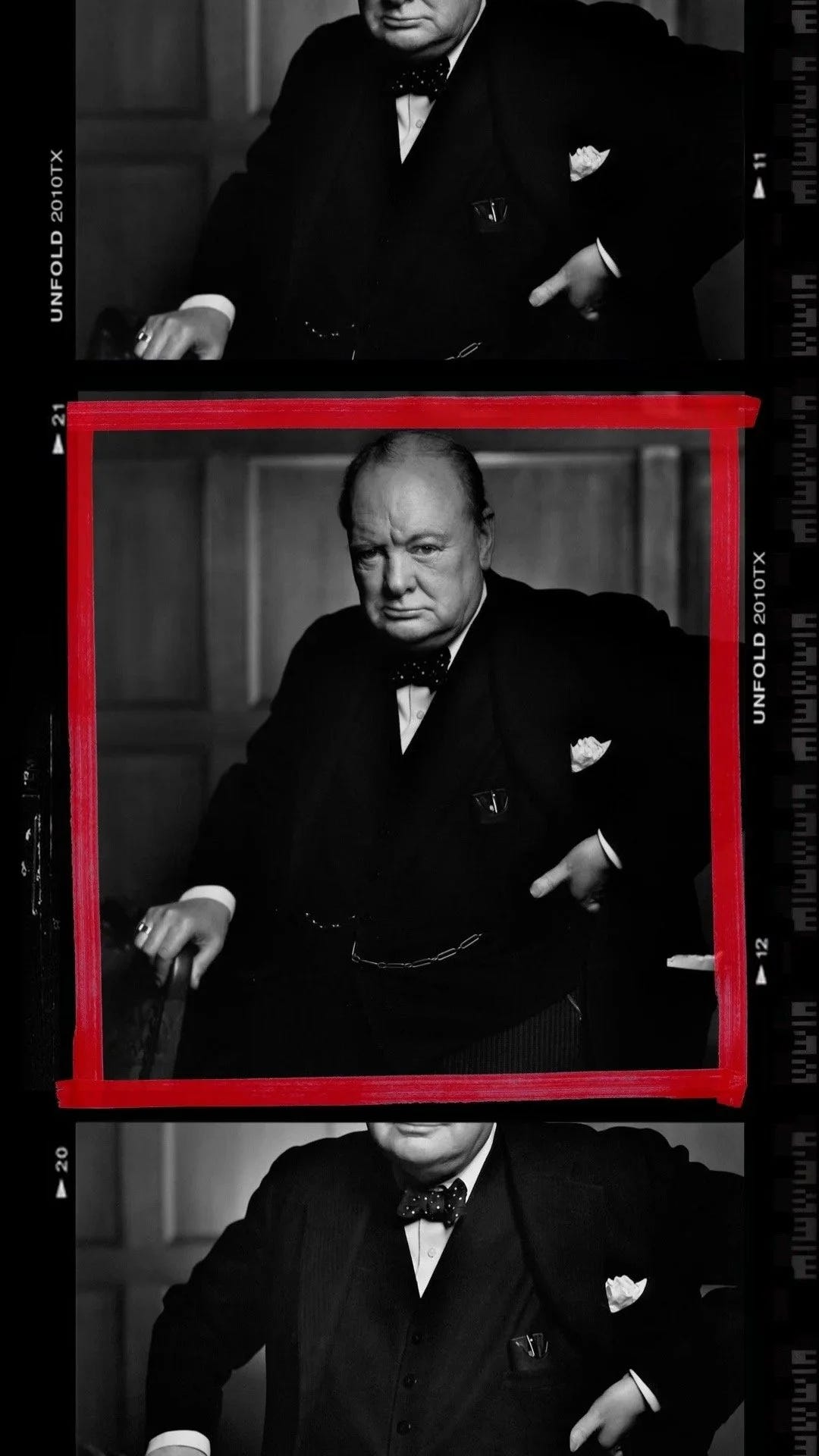
One exposure. With a camera like this, each picture needed a new sheet of film.
The cigar stayed in Churchill’s mouth. “I held out an ashtray, but he would not dispose of it,” Karsh recalled.
So Karsh made his move. “I stepped toward him and, without premeditation, but ever so respectfully, I said, ‘Forgive me, sir,’” he remembered. Then he took the cigar out of Churchill’s mouth.
“By the time I got back to my camera, he looked so belligerent he could have devoured me,” Karsh said. “It was at that instant that I took the photograph.”
The roaring lion
That is the picture. Churchill stands with one hand on his hip and the other on the back of a chair. The House of Commons collection notes a paper copy of his speech in his pocket. He looks straight into the lens.
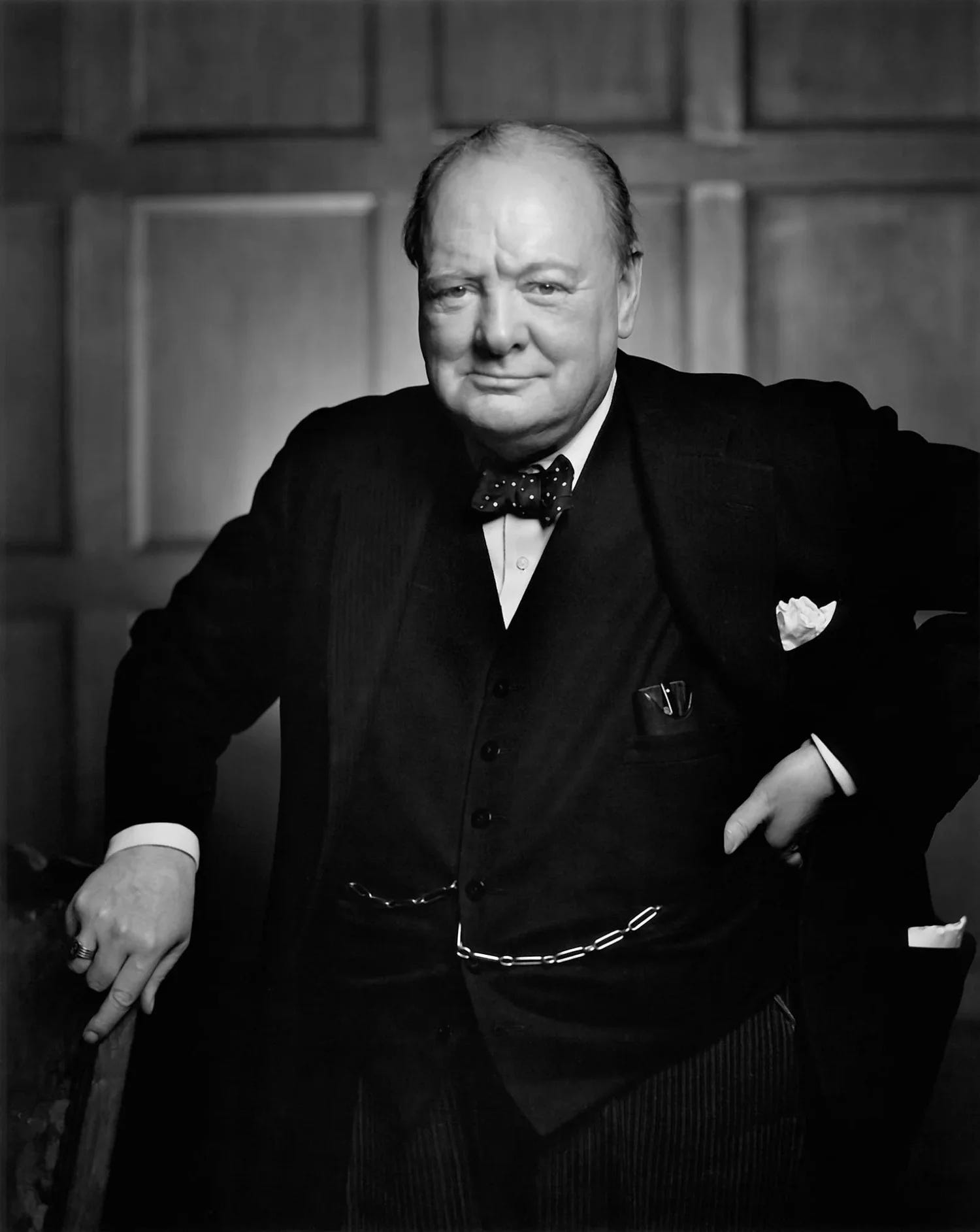
The mood did not last. Karsh took more pictures right after, and in them Churchill is smiling. His remark from that moment is usually given as: “You can even make a roaring lion stand still to be photographed.” The line later gave the portrait its name, The Roaring Lion.
Where the picture went
The picture travelled fast. On 10 January 1942, it was on the cover of the Canadian magazine Saturday Night. LIFE magazine also published it. Karsh later wrote that it “would become one of the most widely reproduced images in the history of photography.”
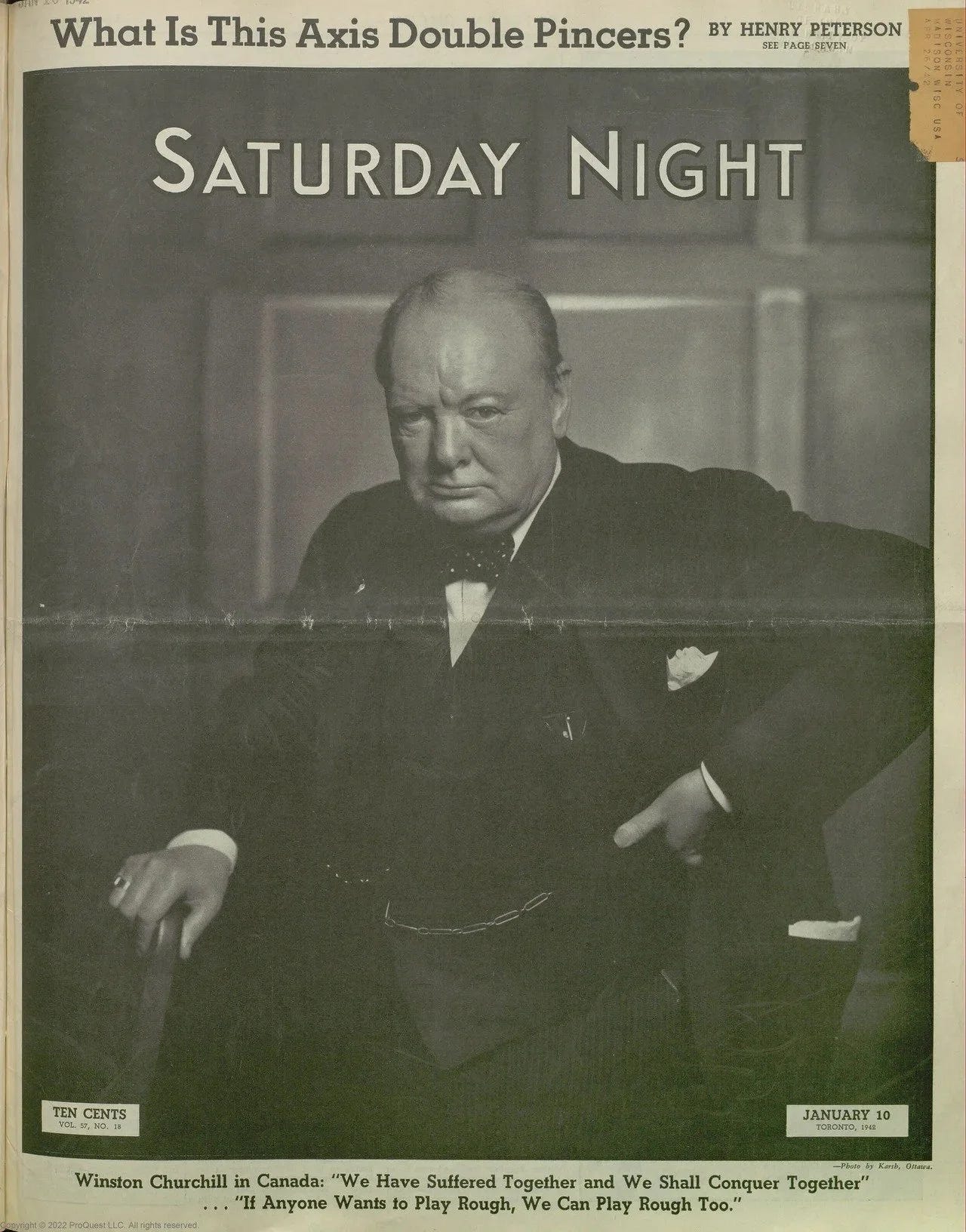
One print had its own adventure. In August 2022, staff at the Château Laurier hotel in Ottawa found that the portrait on their wall was a copy. Someone had taken the original and left a fake in its place. The original was found in Italy and came back to Ottawa in 2024.
Karsh summed up the sitting in three words. The portrait, he said, “changed my life.”
This story was partly inspired by 100 Photographs, by the editors of TIME.
Read it on the blog: The Roaring Lion by Yousuf Karsh, 1941
From Friday's issue
Is Your Idea Getting in the Way of Your Photography?
When a clear direction helps, and when it needs to change.
See you next Wednesday.
Martin
Only want the Friday issue? You can turn off Wednesday emails and keep Photography, Reconsidered in your account settings.